
Get the Top, Local stories delivered to your inbox! Click here to join the daily Vernon Matters newsletter.
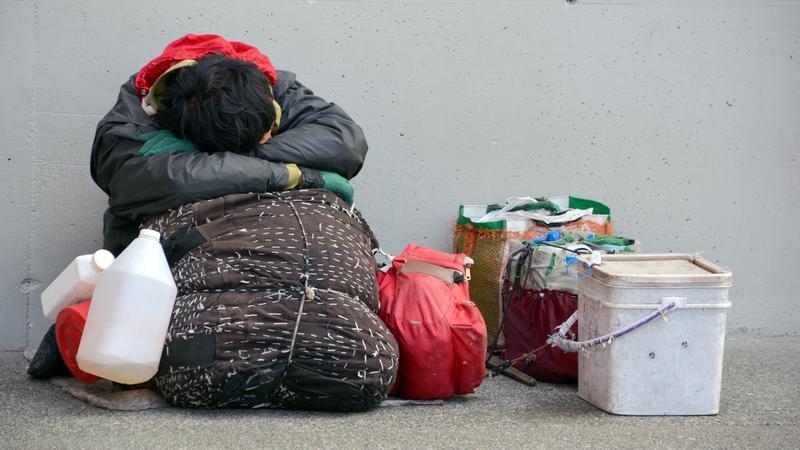
(ID 175850132 © Meunierd | Dreamstime.com)
Poverty Reduction Strategy

Report highlights actions taken to reduce poverty in B.C.

Oct 4, 2021 | 5:01 PM

The TogetherB.C.: British Columbia’s Poverty Reduction Strategy 2020 Annual Report was tabled at the B.C. Legislature today, Oct. 4, and outlines some plans for reducing poverty in the province while also addressing the impacts of the COVID-19 pandemic.

The report is B.C.’s first poverty reduction strategy, with a goal of reducing the overall poverty rate by 25 per cent and the child poverty rate by 50 per cent by 2024.

The report outlines a number of key priorities that must be addressed in order to meet those targets:

  • Housing and homelessness
  • Supports for children and families
  • Financial security and income supports
  • Mental health and addictions services
  • Food security
  • Access to health care
  • Education and training
  • Employment and jobs
  • Access to services
  • Safe, affordable transportation
  • Access to justice
  • Discrimination and stigma

The report outlines key steps that must be taken to resolve these issues and reduce the poverty rate, including building more affordable mixed income housing; improving rental assistance; investing in dental care and Fair Pharmacare; eliminating B.C. student loans; improving employment standards; creating new opportunities for people with disabilities; eliminating MSP premiums; expanding access to healthy food; and restoring the Human Rights Commission.

The report also notes that poverty doesn’t effect everyone equally, and that Indigenous peoples, transgender people, people of colour, refugees and people with disabilities all face higher rates of poverty. In order to address this inequality, the report suggests the province implement cross-government efforts to provide more inclusive, accessible and culturally safe provincial services and policies.

The recently tabled report outlines measures taken over the past year to reduce poverty in B.C., with input from members of an independent advisory committee consisting of advocates, experts, Indigenous peoples and people with lived experience.

“After the first year of implementing our poverty reduction strategy, we’ve managed to exceed our targets,” said Nicholas Simons, Minister of Social Development and Poverty Reduction.

“At the same time, it is important that we recognize that the impacts of the COVID-19 pandemic will not be fully understood for some time, but it is clear that our cross-government approach to better connect people with the services they need, and building a culture of empathy and understanding has been working well.”

The province notes that in the first year of the COVID-19 pandemic, a number of supports and programs were launched to assist British Columbians:

  • Increasing the minimum wage for low-income earners;
  • Freezing rents and halting evictions;
  • Providing emergency funding for child care providers;
  • Providing funding for emergency food bank delivery options;
  • Providing a temporary COVID-19 supplement for people on income or disability assistance and low-income seniors, and allowing people on income or disability assistance to keep federal and provincial COVID-19 payments with penalty’
  • Working with local governments to move people living in homeless encampments into safe, indoor accommodations;
  • Improving internet access in rural and Indigenous communities.

The province stated that Statistics Canada data from 2019 shows that B.C.had reduced its overall poverty rate by 29.4 per cent and child poverty rate by 57.6 per cent from 2016 levels.

It’s also noted that the 2020 report does outline the province’s efforts to mitigate the social and economic impacts of the COVID-19 pandemic on B.C.’s vulnerable and marginalized peoples, though it does not fully reflect the effects of the pandemic on overall poverty in B.C. That data will be included in future reports.

View Comments