Get the Top, Local stories delivered to your inbox! Click here to join the daily Vernon Matters newsletter.
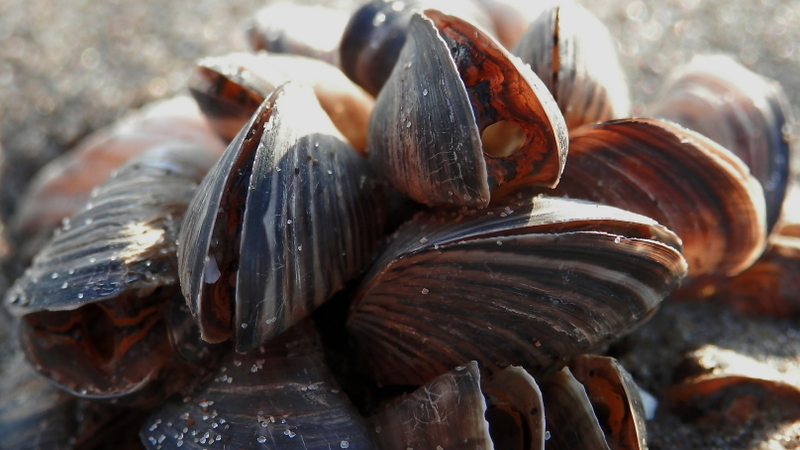
Invasive quagga mussels (photo courtesy of the OBWB)
Mussel Detection System

Water protection agency invests in mussel detection

Nov 1, 2025 | 6:00 AM

The organization dedicated to preserving natural waterways in the region has committed funding towards invasion mussel detection technologies.

The Okanagan Basin Water Board (OBWB) said it pledged $200,000 over two years to develop a rapid environmental DNA tool aimed at detecting the presence of invasive zebra, quagga, and golden mussels on vessels before they enter the local bodies of water.

The technology, refered to as an “artificial dog’s nose,” is being developed by University of British Columbia Okanagan (UBCO), and the OBWB said its contribution would help close the project’s funding gap and help cover salary costs associated with the work.

“The OBWB has an exceptional history of supporting innovative, science-based solutions to protect the Okanagan Basin,” OBWB Chair and Mayor of Lake Country, Blair Ireland, stated.

“This project offers a unique opportunity to support the development of a powerful new tool that could transform how British Columbia defends its lakes and rivers from invasive mussels.”

The “artificial dog’s nose” technology is based on the SHERLOCK (Specific High-Sensitivity Enzymatic Reporter Unlocking) platform, which can do precise laboratory analyses in a mobile setting. SHERLOCK was initially developed for medical diagnoses, but it was stated that it had “shown great promise” for ecological studies, noting it already been applied to monitor and detect fish species.

The OBWB said investing in this technology could help prevent an invasion of mussels that could have significant negative impacts on the local lake and waterway ecosystems.

“This is a unique opportunity to transform invasive mussel prevention,” OBWB Chief Operating Officer, James Littley, stated.

“The cost of an invasive mussel infestation in B.C. would be measured in billions of dollars in damages to infrastructure, ecosystems, and the economy. By providing real-time results at inspection stations, this tool will create a more effective buffer zone, not just for B.C., but throughout the entire Pacific Northwest.”

The cost to develop the “artificial dog’s nose” and put it in use is estimated at $460,000 over two years. The OBWB said it would be asking the provincial and federal governments for assistance covering the remainder of the cost, adding it may also run some fundraising campaigns for this project.

If the rest of the money can be secured, the OBWB plans on providing it to UBCO so they can begin work on the project in April of 2026.

Additionally, the OBWB said it was moving ahead with bringing further attention to the potential damages of having invasive mussels enter local waters by writing letters to the provincial and federal governments. Those letters would also ask the upper levels of government to increase funding for early detection and boat inspection operations.

View Comments