Get the Top, Local stories delivered to your inbox! Click here to join the daily Vernon Matters newsletter.
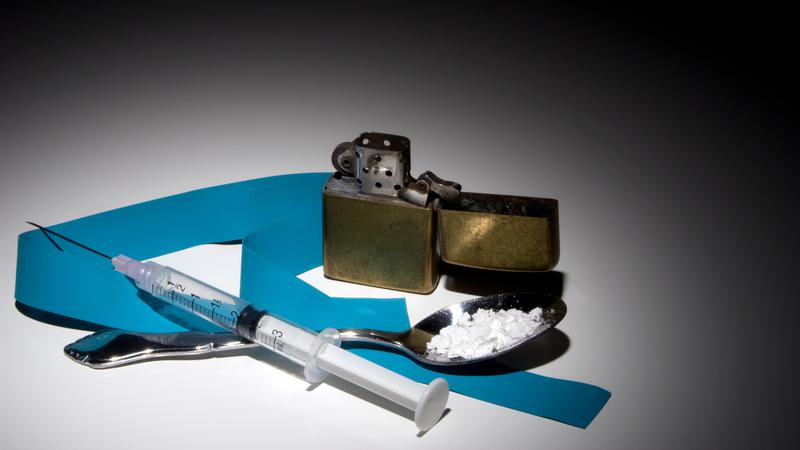
Stock photo (ID 6615172 © Robert Byron | Dreamstime.com)
Drug Death Report

Five drug deaths recorded in Vernon in July, August

Oct 9, 2025 | 4:34 PM

The number of lives lost to illicit toxic drugs continued to rise over the summer, though have tapered off compared to previous years.

The B.C. Coroners Service’s report said Vernon saw three drug-related deaths in July, and another two in August.

There had been 21 lives lost to toxic substances in Vernon through the first eight months of the year, though that does not put the community on track to surpass the previous annual high of 57 deaths recorded in 2023.

Kelowna deaths

The Coroners Service also recorded nine deaths in Kelowna this past July and another three in August, bringing the year-to-date total up to 66.

That also did not put the Central Okanagan community on track to surpass the high of 104 deaths in 2023.

The deaths recorded locally were part of 153 in all of B.C. in July, and 149 in August.

To date, there had been 1,218 drug-related deaths in the province. That also indicated a fall from the record high 2,590 deaths in 2023.

The Coroners Service stated that 69 per cent of people who have died to toxic drugs in 2025 were between the ages of 30 and 59, and that 78 per cent of them were male.

There has also been an increase in youth drug deaths, with the Coroners Service recording 21 deaths of people aged 19 and under between January and August, up from the 15 deaths recorded in the same period the year before. However, the agency did note the most recent figures were somewhat aligned with those recorded in 2021 (20), 2022 (25) and 2023 (21).

Fentanyl and its analogues continued to be the most common substance detected in toxicological testing, with the Coroners Service saying it was found in 70 per cent of the death cases this year.

The report on toxic drug deaths also showed that 48 per cent of the fatalities this year occurred inside a private residence, while 30 per cent occurred inside residences such as social and supportive housing, shelters, and hotels.

The remaining 22 per cent occurred outside such as in vehicles, streets, and parks.

View Comments