Get the Top, Local stories delivered to your inbox! Click here to join the daily Vernon Matters newsletter.
(file photo/Vernon Matters Staff)
Mental Health Support

Local, provincial mental health services expanding to address emergency concerns

Aug 5, 2025 | 1:27 PM

The Vernon and District branch of the Canadian Mental Health Association is one of the branches expanding supports to address impacts of climate emergencies.

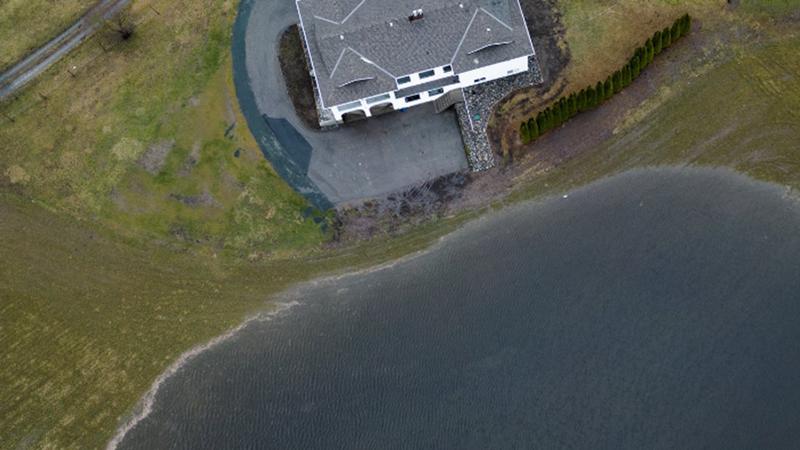
CMHA Vernon said wildfires, floods and other extreme weather and climate emergencies can impact people’s well-being. The local branch, as well as those elsewhere in the Interior and northern B.C., are working together to create a network of support.

“We are no stranger to wildfire, flood and heat domes in the North Okanagan and just the very thought of these climate emergencies can elevate anxiety among residents,” Niki Zelez, director of strategic operations for CMHA Vernon, said.

“We also know that other communities throughout the Interior are experiencing similar situations so it’s important for CMHA branches to come together to ensure the mental wellbeing of our communities is a priority when emergencies occur.”


The collaborative efforts from the CMHA branches will aim to amplify support for people’s mental health during and after an emergency through key initiatives including:

  • Training 32 staff across eight branches on Psychological First Aid, which is special training to provide emergency support during a disaster
  • Coordinating Canadian Red Cross business continuity workshops for three branches to enhance service resilience during emergencies
  • Supporting CMHA branches in accessing post-disaster recovery grants that support the delivery of urgent mental health services in impacted communities
  • Delivering six provincial presentations on the mental health impacts of climate-related emergencies
  • Supporting the launch of a survey in the South Cariboo on the impacts of wildfires and extreme weather on mental health
  • Coordinating in-person emergency scenario exercises
  • Co-developing climate-mental health resources with key partners such as the Canadian Red Cross, First Nations Health Authority, Health Emergency Management B.C., Salvation Army, and United Way B.C.
  • Working with the Canadian Journalism Forum on Violence and Trauma to inform new resources on media reporting of and during climate emergencies with the goal of doing the least amount of harm to media professionals, impacted residents, and media consumers

CMHA B.C. and the branches involved in the collaborative work will also continue its work to build a more resilient and prepared province.

“Climate emergencies are a growing concern that have lasting impacts on individuals and communities — and unfortunately B.C. has had many years of experience with their impact,” Jonny Morris, CEO of CMHA B.C., stated.

“Together, we are working to create meaningful supports for people who are affected, rooted in the local expertise of community branches. We are all independent non-profit agencies, but we are also all CMHAs with shared values. This is a powerful example of what we can achieve as a collective, and we are grateful for the partnership of branches across B.C.”

The mental health agency stated there are existing resources available for people dealing with climate impact and emergency mental health challenges:

Coping with disaster stress

Emergencies are stressful: what to expect and what can help

Coping with an environmental emergency

Interior Crisis Line 1-888-353-2273

Provincial Mental Health Line 310-6789 (no area code needed)

Provincial Suicide Line 1-800-784-2433

Crisis Helpline (call or text) 988.

View Comments