Get the Top, Local stories delivered to your inbox! Click here to join the daily Vernon Matters newsletter.
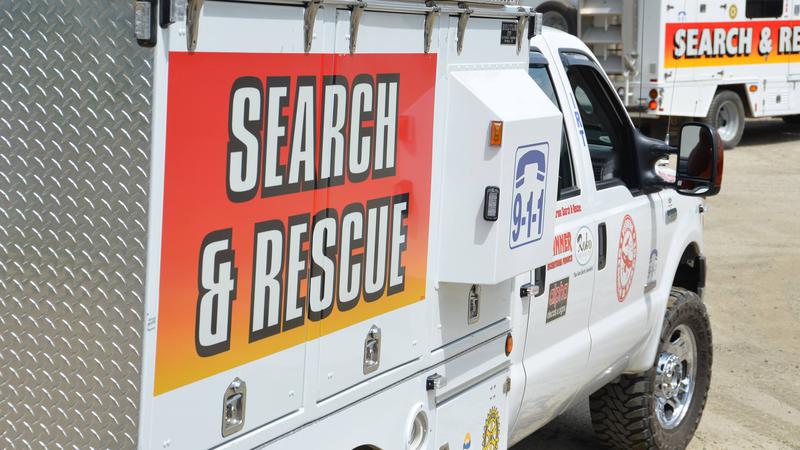
Stock photo courtesy of Vernon Search and Rescue
iPhone SOS Alert

False alarm results in V-SAR helicopter, ground team being dispatched

Aug 5, 2025 | 2:42 PM

Vernon Search and Rescue deployed some resources after receiving an alert that turned out to be a false alarm.

V-SAR said on social media on August 2 that the group received an Apple iPhone SOS alert from the Pinnacle Lake area, east of Vernon, that read “THERE IS A FIRE, SOMEONE IS ON FIRE.”

Due to a concern for a need of urgent medical care, V-SAR dispatched a helicopter and a ground team to the scene.

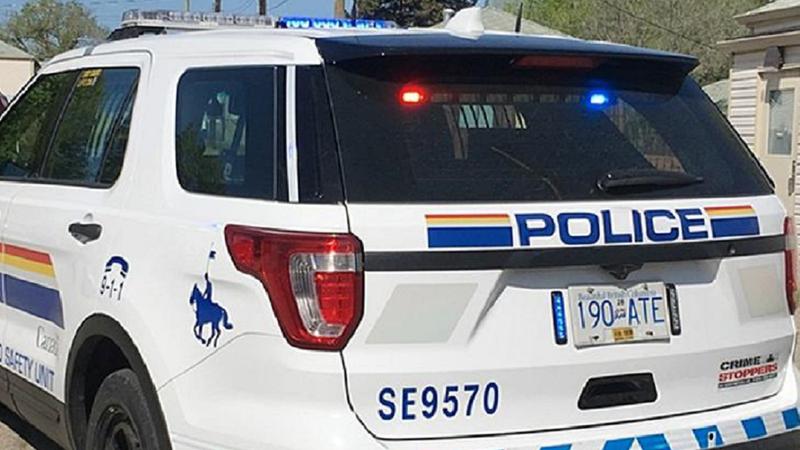
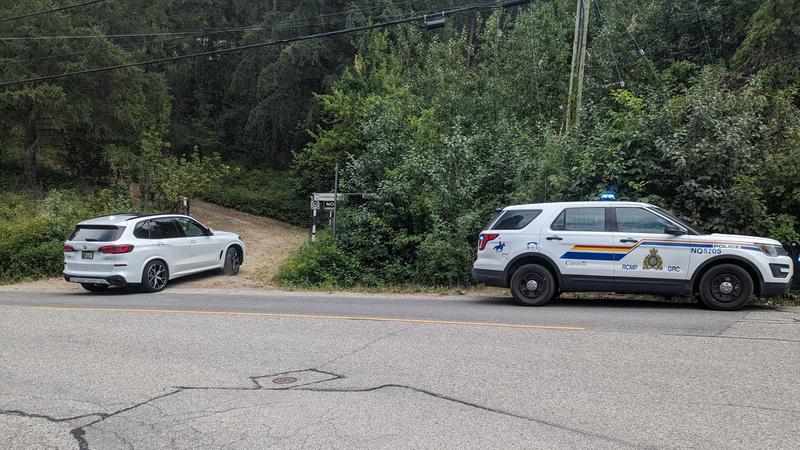
Upon arriving in the area the message came from, V-SAR learned that RCMP were investigating a report of a “potential spam or scam” involving someone leaving messages claiming to be Search and Rescue. They learned no SOS was actually sent and the person who owned the phone was at home and safe, despite the alert message saying the phone was still located at the top of the mountain.


“The rest of the story, as far as we can determine it, is… our subject had been hiking in the Pinnacles area that day,” V-SAR said in a social media post.

“While hiking back to their vehicle, their iPhone battery died and the phone turned itself off. And around that time, they were walking through an area that had been burned by a wildfire. After that, nothing but the long drive home with the phone on the charger.”

In a follow up post, V-SAR said many other Search and Rescue groups throughout the province have received similar SOS activations from people who own iPhone 14 or newer models. The group said the newer generations of the Apple product come with a Crash Detection feature, which is turned on by default, that sends Emergency SOS alerts via satellite in the event of something similar to a severe car crash.

More details about Crash Detection can be found here.

In our instance, we now know that our subject’s phone battery died while on their hike. So our assumption is that perhaps there was some sort of fall or other action that the phone interpreted as a car crash and their phone sent an automatic SOS, but with no battery life left, there may not have been the opportunity for our subject to cancel the automatic emergency call nor respond to any potential follow-up by the iPhone emergency centre,” V-SAR stated.

“This is not a conclusive answer by any means, but it’s close enough for us that we’re chalking this up as a learning experience and we’ve stopped investigating further.”

The Search and Rescue agency asked people to monitor their devices and make sure they aren’t accidentally sending out emergency messages when not necessary. This can include traveling with a power bank charger to include devices have power; travel with the phone readily accessible to respond to warning alarms that go off before an SOS is sent; do not hang up if an erroneous SOS message is sent out; and consider deactivating the feature during appropriate times.

View Comments