
Get the Top, Local stories delivered to your inbox! Click here to join the daily Vernon Matters newsletter.
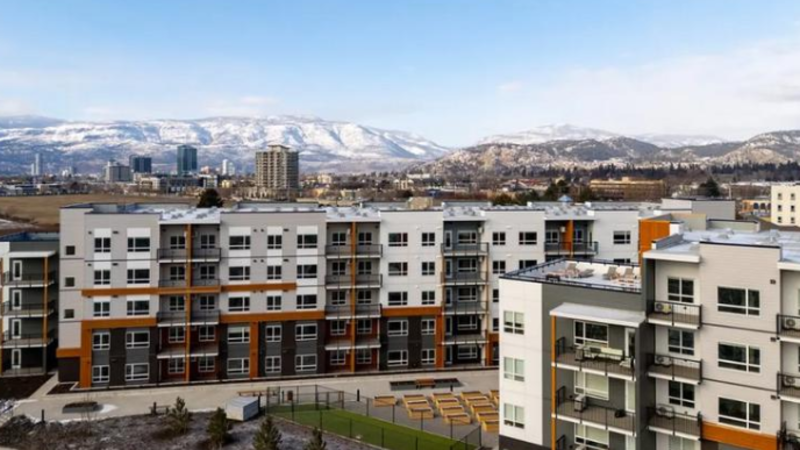
Kelowna housing/Vernon Matters Staff
Housing incentives

Kelowna expands tax break program for rentals to include co-ops and non-profits

May 27, 2025 | 10:11 AM

Kelowna city council has approved an expansion of its Revitalization Tax Exemption program, aiming to encourage more rental housing by broadening who qualifies for the tax break.

The updated program now includes cooperative housing, non-profit projects, and extends eligibility across the city’s permanent growth boundary. The move is intended to support long-term affordability and housing diversity. The RTE program gives a 10-year break on the municipal portion of property taxes for purpose-built rental developments. City clerk Stephen Moore said co-op housing has not been built in Kelowna for more than 25 years, but adding it to the program is a low-risk move.

“Cooperative housing is often less expensive than comparable private rentals,” said Moore. “Including it in the program is not expected to result in significant additional financial impact.”

Non-profit rental projects will now benefit from an exemption on land value, not just improvements. Moore said this change could increase the value of the tax benefit by up to 50 per cent, helping to improve the viability of new builds.

“This would help improve the viability of nonprofit projects by lowering initial operating costs,” Moore told council.

Another major change removes geographical restrictions. Previously, only developments in the core area and University Village Centre were eligible. The updated policy now includes the entire permanent growth boundary. The city is already seeing signs the market is shifting. Moore said vacancy rates are expected to temporarily rise above five per cent due to recent rental supply. That may cause some early-stage projects to pause or convert to condominiums, but he said long-term demand remains solid.

Council also scrapped a proposed vacancy cap that would have suspended tax incentives if vacancy rates remained between three and five per cent.

“There was no clear or defensible line to draw,” Moore said. “We returned to the original direction provided in the housing action plan.”

Moore confirmed council will receive regular updates, noting the city already reports annually to the province and maintains a public housing dashboard with current rental trends and unit counts.

“We can certainly report back annually, or more often if council wishes,” said Moore.

The financial impact of the program is expected to rise to about $4 million in active exemptions by 2026. Council heard there are already 160 rental units in development outside the core that could benefit from the expanded rules.

View Comments