Get the Top, Local stories delivered to your inbox! Click here to join the daily Vernon Matters newsletter.
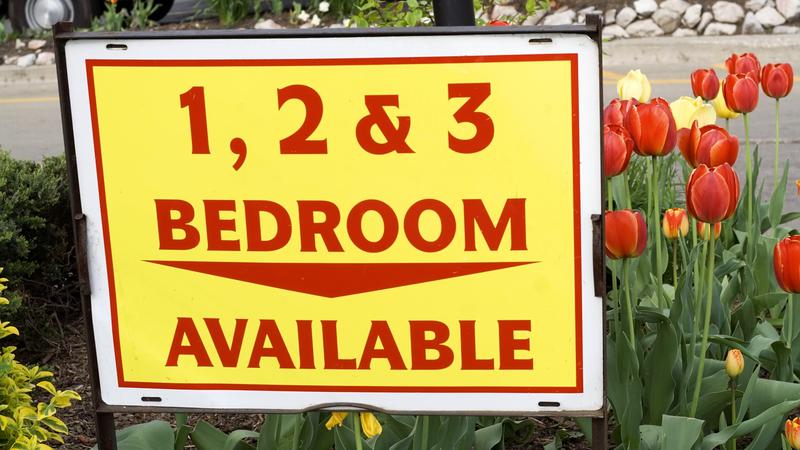
Stock photo (ID 734750 © Denise Kappa | Dreamstime.com)
Returning Housing to Long-Term Market

Short-term rental regulations to open more housing for British Columbians

Oct 16, 2023 | 11:55 AM

The provincial government is taking steps to open more housing options by regulating the short-term rental market.

The B.C. NDP introduced legislation Monday, Oct. 16, to regulate short-term rentals on online platforms with three key factors:

“The first is, if you live in a city with 10,000 people or more, there will be a provincial legal requirement that you not operate a short-term rental unless it is part of your principal residence, either a secondary suite or a lane way home,” Premier David Eby said.

“The second action is we’re establishing a floor across the province for municipalities of 10,000 or more people to ensure that the same rules are in place across British Columbia and backing it up with provincial enforcement: a new enforcement team that will support the efforts led by municipalities and regional districts.

“Finally, we’re increasing the fines associated with breaking the rules for both individuals who decide that the rules should not apply to them as well as for the platform companies that would decide to flaunt these rules.”

Eby added the province would also be eliminating the non-withstanding clauses, a loophole that had previously allowed short-term rental operators to bypass municipal regulations.

“Anyone who’s looking for an affordable place to live knows how hard it is, and short-term rentals are making it even more challenging,” Eby said.

“The number of short-term rentals in B.C. has ballooned in recent years, removing thousands of long-term homes from the market. That’s why we’re taking strong action to rein in profit-driven mini-hotel operators, create new enforcement tools and return homes to the people who need them.”

The province said a McGill University study showed there were approximately 28,000 daily active short-term rental listings in B.C., and that nearly half of all operators owned multiple listings. Data also showed the top 10 per cent of hosts in B.C. earn nearly half of all short-term rental revenue.

“The short-term rental market is creating serious challenges in B.C. and around the world,” Ravi Kahlon, Minister of Housing, said.

“Operators with multiple listings are taking homes off the long-term market to make big profits while people pay the price – it can’t go on like this. The legislation is comprehensive and designed to target areas with high housing needs. It’s strong action and a thoughtful approach to tackle the growing short-term rental challenge and deliver more homes for people.”

Kahlon added, while short-term rentals were originally aimed at attracting visitors and tourism, it was estimated that more than 16,000 homes have been taken out of the B.C.’s long-term rental market and instead were being used as investment properties.

“What I want to make very clear to the people of B.C. is if you want to use AirBNB, VRBO and other short-term rental platforms, you still can. We are not targeting the hosts who may rent out their house when they leave on a vacation, or someone who rents out a room in AirBNB,” Kahlon said.

“But those of you that are renting out dozens of short-term rentals to make a huge profit while taking away homes for people, you should probably be thinking about a new profit scheme in the very near future.”

Eby noted that regulating and enforcing bylaws relating to short-term rentals are “incredibly difficult” and that about half of short-term rentals are estimated to not be compliant with municipal rules.

“We need to support municipalities in enforcing those and, at the provincial level, we need to establish standards to protect housing for British Columbians,” Eby said.

Under the new legislation, changes to the short-term rental operations would be rolled out using a phased-in approach. It will include:

  • Increasing fines while creating better tools for local governments to fine operators who break local rules and municipal bylaws, while also requiring short-term rental platforms share data to strengthen local enforcement
  • Requiring online short-term rental platforms include business license numbers on listings, and to remove listing without them
  • Giving regional districts the ability to issue business licenses so they can more effectively regulate short-term rentals in rural areas
  • Returning more short -term rentals into long-term homes by requiring that short-term rentals be offered only if the principal residence is located in a municipality with a population of 10,000 people or more
  • Removing legal non-conforming use protections for short-term rentals that investors are taking advantage of
  • Establishing provincial rules and enforcement
  • Establishing a provincial host and platform registry for stronger accountability
  • Launching a provincial short-term rental compliance and enforcement unit to ensure regulations are being followed

The province noted there would be exempt areas from the principal residence requirement including 14 resort regions, mountain resort areas, municipalities with the population under the threshold but within close proximity to larger municipalities, and regional district electoral areas. Details on those exemptions were reportedly still being developed.

Municipalities with existing bylaws relating to short-term rentals that are more restrictive than the provincial regulations, including Vernon, Kelowna, Salmon Arm and Kamloops, will be able to keep their regulations in place.

If passed, the legislation is expected to immediatly increase fines for bylaw infractions and permit regional district business licensing. The principal residence requirement, removing the legal non-conforming use clause, and requiring the business licenses be displayed on platforms would take effect May 1, 2024.

In the summer of 2024, the province will require short-term rental platforms share its data on B.C. rentals, and in late 2024, a provincial registry will be established.

View Comments