Get the Top, Local stories delivered to your inbox! Click here to join the daily Vernon Matters newsletter.
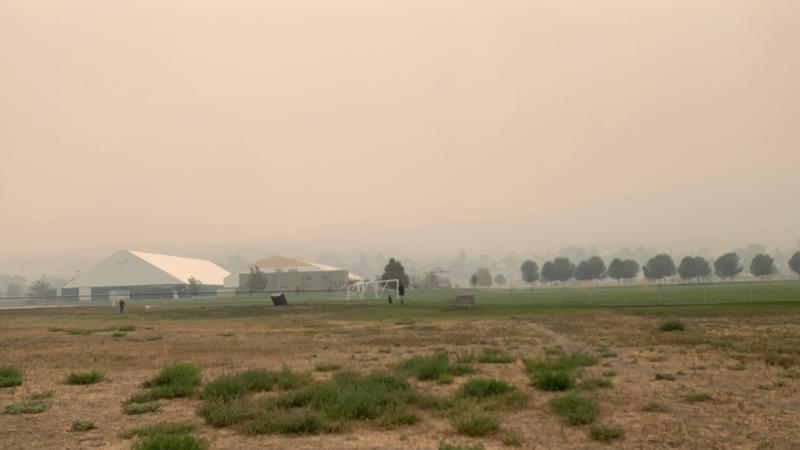
Smoky conditions at Marshall Fields in Vernon around 12 p.m. Sunday, Aug. 20. (Vernon Matters photo)
Okanagan

Poor air quality expected to continue at least two more days

Aug 20, 2023 | 1:50 PM

The North and Central Okanagan are experiencing some of the worst air quality in the province as of 1 p.m. Sunday (Aug. 20)

The air quality health indexes in both areas was 10+ or very high, which was also the case in the Eastern Fraser Valley, Sparwood and Whistler. The South Okanagan was in the high range.

Click here for the air quality health rating.

The weather outlook calls for the smoky conditions to continue at least until Tuesday when showers are forecast (60 per cent chance).

The province is reminding people to protect themselves from the impacts of poor air quality due to wildfire smoke and check on family and friends who may be at risk.

Those with pre-existing health conditions, such as chronic obstructive pulmonary disease (COPD), asthma, heart disease or diabetes, people with respiratory infections, pregnant people, infants and children, and older adults, are at greater risk of health impacts from wildfire smoke.

Some people are more likely to experience adverse health effects from smoke, especially those with respiratory conditions, such as asthma chronic obstructive pulmonary disease (COPD). Those with heart disease, diabetes, kidney disease and older adults are also at higher risk. Pregnant people, infants, and children, should also take precautions to reduce smoke exposure.

Anyone who requires rescue medication, especially for respiratory conditions such as asthma, should ensure they have supplies on hand. If you have been evacuated, or do not have enough medication, visit your local pharmacy for an emergency supply.

The best way to stay safe from the impacts of wildfire smoke is to reduce exposure:

* Prevent wildfire smoke from entering your home by sealing doors and windows and keep them closed as long as the temperature indoors is comfortable.

* Learn ways to create an area in your home designated as having cleaner air by using a portable HEPA air filter or a DIY air cleaner using resources on the BCCDC website.

* Spend time indoors, such as shopping malls, community centres and libraries.

* Take it easy. Refrain from over exertion that causes heavy breathing and inhaling unnecessary smoke.

* Keep hydrated to help your body deal with inflammation caused by wildfire smoke.

* Consider wearing a respirator or other types of multi-layered face mask when you go outdoors.

* Know the forecast and use the smoky skies bulletins and air quality health index (AQHI) to evaluate local and regional air-quality conditions

Smoke can make it harder for your lungs to get oxygen to your blood. It can also irritate the eyes, nose, throat and lungs. Fine particulate matter in wildfire smoke matter carries the greatest risk to people’s health because it can be inhaled deep into the lungs and cause inflammation and irritation.

People respond differently to smoke. Most symptoms are relatively mild and can be managed without medical attention. If you are experiencing difficulty breathing, chest pain or discomfort, or severe cough, call 811 or contact a health-care provider. If you are having a medical emergency, call 911.

To learn about the health effects of wildfire smoke, click here.

View Comments