Get the Top, Local stories delivered to your inbox! Click here to join the daily Vernon Matters newsletter.
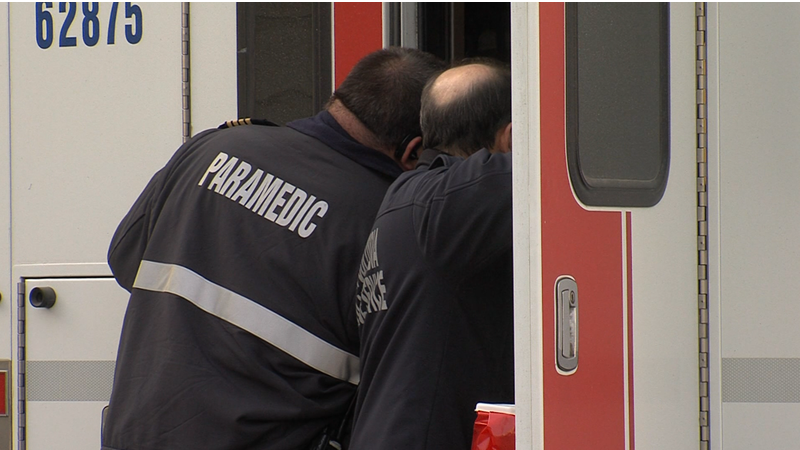
(Vernon Matters photo)
Four days of heat

‘Prolonged heat wave’ settling into Okanagan

Aug 13, 2023 | 9:30 AM

Environment Canada issued a special weather statement today (Aug. 13), advising of a “prolonged heat wave” that will begin Monday in the Okanagan and other areas.

Daytime temperatures are expected to be in the range of 35 to 37 degrees Celsius combined with overnight lows in the mid teens, with the heat expected to subside by Friday.

“A strong ridge of high pressure will bring rising temperatures to the southern interior,” Environment Canada said on Sunday. “Well above seasonal daytime temperatures are forecast. However, nighttime temperatures over these regions may cool to the mid teens for some relief of the heat. Temperatures are expected to return to more seasonal values by Friday.”

Vernon and Kelowna are expected to peak out at 35 degrees Monday to Wednesday and 33 on Thursday.


Interior Health is reminding people that elevated temperatures increase the risk of heat-related illnesses.

The BC Centre for Disease Control provides a broad range of heat-related guidance on its website, including information on the different types of heat alerts, how to prepare for hot temperatures, symptoms of heat-related illnesses, those most at risk during hot weather and ways to stay cool.

Preparing for and responding to hot weather:

· If you have air conditioning at home, make sure it is in good working order and turn it on.

· If you do not have air conditioning at home:

o Find somewhere you can cool off on hot days. Consider places in your community to spend time indoors such as libraries, community centres, movie theatres or malls. Also, as temperatures may be hotter inside than outside, consider outdoor spaces with lots of shade and running water.

o Shut windows and close curtains and blinds during the heat of the day to block the sun and prevent hotter outdoor air from coming inside. Open doors and windows when it is cooler outside to move that air indoors.

o Ensure that you have a working fan, but do not rely on fans as your primary means of cooling. Fans can be used to draw cooler late-evening, overnight and early-morning air indoors. Keep track of temperatures in your home using a thermostat or thermometer. Sustained indoor temperatures over 31 C can be dangerous for people who are susceptible to heat.

o If your home gets very hot, consider staying with a friend or relative who has air conditioning if possible.

· Identify people who may be at high risk for heat-related illness. If possible, help them prepare for heat and plan to check in on them.

Who is most at risk?

Everyone is susceptible to heat-related illness. It is important to monitor yourself, family members, neighbours and friends during hot weather. Consider developing a check-in system for friends, family, and neighbours who are at high risk of heat-related illness.

Those who are at highest risk include:

· Older adults, especially those over 60

· People who live alone

· People with pre-existing health conditions such as diabetes, heart disease or respiratory disease

· People with mental illnesses such as schizophrenia, depression or anxiety

· People with substance use disorders

· People with limited mobility and other disabilities

· People who are marginally housed

· People who work in hot environments

· People who are pregnant

· Infants and young children

Your health:

· Drink plenty of water and other liquids to stay hydrated, even if you are not thirsty.

· Spray your body with water, wear a damp shirt, take a cool shower or bath or sit with part of your body in water to cool down.

· Take it easy, especially during the hottest hours of the day.

· Stay in the shade and use a broad-spectrum sunscreen with SPF 30 or more.

· Take immediate action to cool down if you are overheating. Signs of overheating include feeling unwell, headache and dizziness. Overheating can lead to heat exhaustion and heat stroke.

· Signs of heat exhaustion include heavy sweating, severe headache, muscle cramps, extreme thirst and dark urine. If you are experiencing these symptoms, you should seek a cooler environment, drink plenty of water, rest and use water to cool your body.

· Signs of heat stroke include loss of consciousness, disorientation, confusion, severe nausea or vomiting and very dark urine or no urine. Heat stroke is a medical emergency.

In the event of a medical emergency, call 911. However, it is important to use 911 responsibly to avoid overwhelming the system.

When to call 911:

· In cases of heat stroke: loss of consciousness, disorientation, confusion, severe nausea or vomiting or very dark urine or no urine.

· In general: when there is chest pain, difficulty breathing, loss of consciousness, severe burns, choking, convulsions that are not stopping, a drowning, a severe allergic reaction, a head injury, signs of a stroke or a major trauma.

If you have a less urgent health issue:

· You can call HealthLinkBC at 811 and speak with a nurse or go to an urgent care centre or clinic if you can do so safely. That way, our emergency medical dispatch staff and paramedics will be available for people who need their services the most.

· There are also online tools at healthlinkbc.ca, including a “Check Your Symptoms” tool.

View Comments