Get the Top, Local stories delivered to your inbox! Click here to join the daily Vernon Matters newsletter.
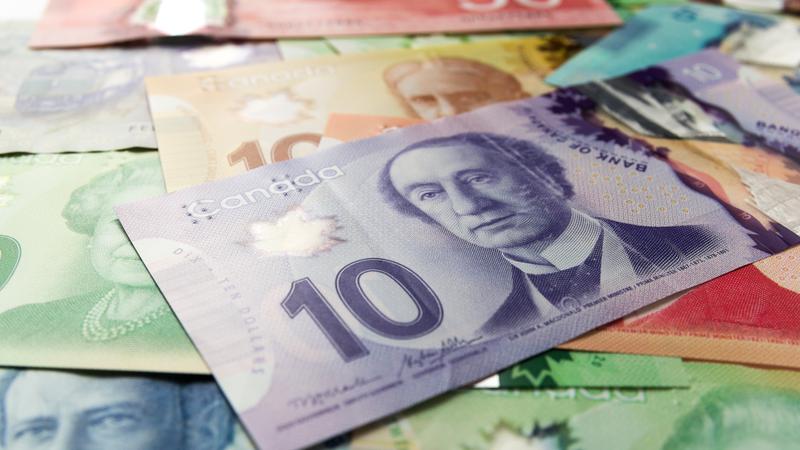
Stock image (ID 138455693 © Gabriel Vergani | Dreamstime.com)
$16.75/hr

B.C.’s minimum wage rising to match inflation

Apr 5, 2023 | 1:40 PM

British Columbia is raising the minimum wage from the current rate of $15.65 per hour.

“Effective June 1st, the general minimum wage will increase by $1.10 an hour to $16.75 an hour,” Labour Minister Harry Bains announced Wednesday, April 5.

“This 6.9 per cent increase is based on B.C.’s average annual rate [of inflation] in 2022. This increase is necessary for low-income earners to keep up with rising costs.

“Along with changes to the general minimum wage, there will also be a 6.9 per cent increase to alternate minimum wages, specifically, the minimum daily or monthly rates in live-in camp leaders, live-in home support workers, and resident care takers.”

Additionally, effective January 1, 2024, farm workers who harvest 15 specific crops, will also see the rates increase by 6.9 per cent.

Bains told a news conference the province is committed to linking future minimum wage increases to the rate of inflation, moving away from the previous metric based on increases to the cost of living.

“Tying the minimum wage to inflation is the right thing to do because when times are tough we cannot leave our lowest paid workers behind.”

Bains noted the NDP government is looking to instill legislation that ties the minimum wage increase to the rate of inflation, stating the government will try to table a bill with that motion ahead of the next increase in 2024.

The increase comes as B.C. continues to be affected by global inflation.

“While the cost of living has gone up quickly across the country, we have seen a bigger jump here in B.C. than the national average, and more people are finding it difficult to make ends meet,” Bains stated.

“Those earning the lowest wage and their families are forced to make difficult decisions every day. Many of the lowest wage earners are people who worked tirelessly during the pandemic to provide us the essential services for the rest of us. When times are tough, we need to ensure our that lowest paid workers don’t fall further behind.”

Brenda Bailey, B.C.’s Minister of Jobs, Economic Development and Innovation, noted the past few years have been challenging for small business, which she called the backbone of the economy, but added that their “work and determination” resulted in just 3.5 per cent of British Columbians being paid the minimum wage in 2022.

“Clearly, the vast majority of businesses are seeing the value of paying their staff a fair wage, which is sign of a strong economy,” Bailey said.

“Raising the minimum wage is an important step to make sure B.C.’s lowest paid workers are paid properly and to make B.C. more attractive to workers who can help fill the job openings that many businesses tell me about.”

Bailey noted global inflation and supply chain shortages are impacting businesses in B.C. and around the world, saying the government is taking action to support businesses through measures such as giving restaurants access to permanent wholesale pricing on liquor, capping fees on food delivery services, providing the B.C. Hydro Tax Credit, and providing property tax relief to small businesses.

She stated work is ongoing between her ministry, small business representatives, chambers of commerce and other stakeholders to identify and address any other issues they are facing in the province.

Bailey added 62,900 jobs were filled in B.C. last year, with two thirds of those jobs being taken up by women, which she credited to the investment in affordable child care.

“We know that our child care plan is working, it’s helping parents balance their needs and getting them into the workforce to fill job openings that many businesses are experiencing,” Bailey explained.

B.C’s minimum wage was $8.00 an hour in 2001 and saw no increases between 2002 and 2010, or in 2013 and 2014.

Bains stated the province is committed to assisting British Columbians, including through the affordability credit, which “85 per cent of British Columbians” will receive in the coming days. This will be the third provincial credit dolled out to citizens by the government since October.

View Comments