Get the Top, Local stories delivered to your inbox! Click here to join the daily Vernon Matters newsletter.
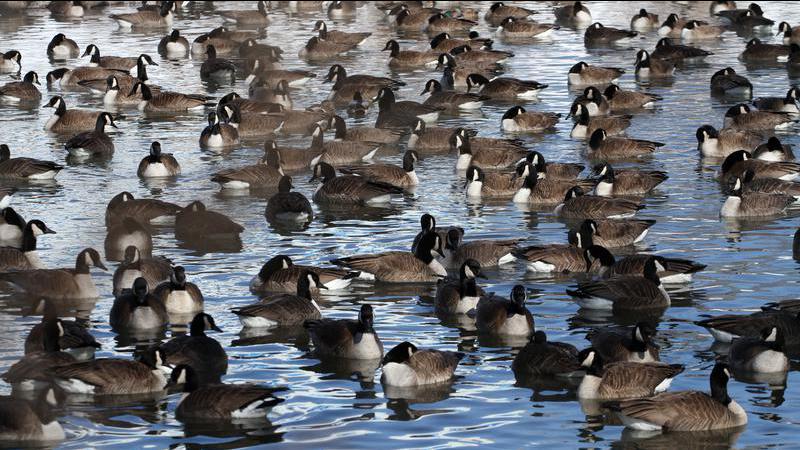
( Dreamstime photo ID 51883118)
'kill to scare'

Group calls Vernon’s goose control plan ‘unscientific & doomed to fail’

Apr 22, 2022 | 12:30 PM

A national group that protects animals is taking aim at the City of Vernon’s plan to control the Canada goose population.

The city is still working to implement a “kill to scare” program which involves killing the dominant goose in a flock, which would supposedly cause other birds to disperse and leave the area in smaller groups.

The technique requires government approval before it can proceed and is an alternative to a cull of a certain number of the birds which the city has also considered.

The city is still trying to secure a contractor for the program before submitting a permit application.


The Animal Alliance of Canada (AAC) is challenging the city’s plan, calling it “unscientific” and “doomed to fail,” in a news release on its website.

“The Canadian Wildlife Service (CWS) says that a ‘kill to scare’ approach will not significantly reduce goose numbers. It’s clear this proposal from Vernon lacks a basic understanding of goose behaviour and socialization,” said AAC director and bird expert Barry Kent MacKay.

The Alliance said Vernon’s first application for a cull of up to 150 geese last year was rejected by the CWS.

“Animal advocacy groups condemned the cull as inhumane and wasteful policy that would not resolve human/goose conflict in the region,” MacKay said.

Jordan Reichert of the Alliance argues Vernon’s plan to shoot dominant geese is flawed as there is no dominant goose in a flock.

“They take turns being the leader when they fly to conserve energy, but on the ground, there is no leader to identify in their general socialization patterns. If this is the premise of the City’s kill to scare program, there is no evidence to support it,” Reichert maintained.

The AAC also objects to leaving dead geese on the ground to scare off others, saying geese mate for life, so killing one goose of a pair may cause the other to remain nearby after the loss for an extended period.

“Leaving dead geese on the ground may also be an attractant to scavengers which may cause further conflict between people using the beaches and parks and other wildlife.”

“Vernon council has an opportunity to implement evidence-based, long-term, non-lethal co-habitation policy that will reduce conflict with recreational users of parks and beaches,” said Reichert. “Short-term killing projects teach disrespect for wildlife and a lack of creative problem-solving. We can do better by working with wildlife rather than against them.”

The AAC also calls for Vernon council to identify which geese are being targeted: the moult migrants who remain in the area only during the moulting period or those who are successful breeders and moult after their young are able to fly.

“What is the point in killing geese who can’t fly and only reside in the area for such a short period of time?” asked Reichert.

AAC has submitted a Habitat Modification manual to Vernon council but say it has not received a response from the city. They are asking Vernon to commit to trying non-lethal methods before applying for a kill permit with the CWS.

View Comments