Get the Top, Local stories delivered to your inbox! Click here to join the daily Vernon Matters newsletter.
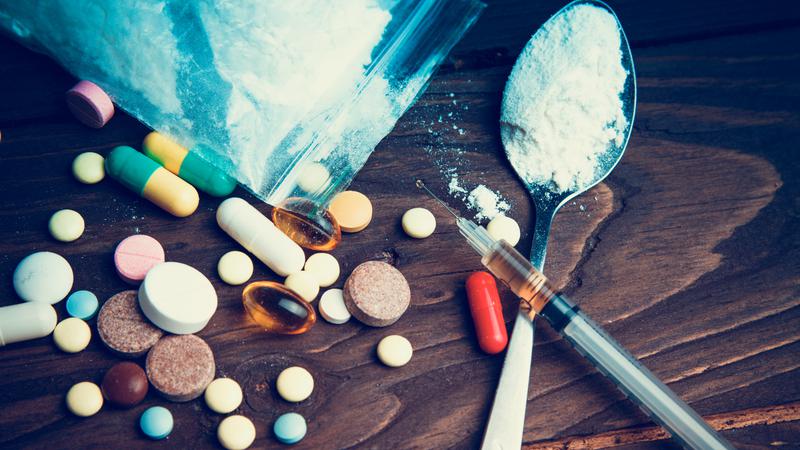
(ID 118813148 © Stanislau V | Dreamstime.com)
year-end report

Okanagan cities and B.C. hit record highs for toxic drug deaths

Feb 9, 2022 | 11:16 AM

British Columbia’s toxic drug supply crisis is showing no signs of slowing down.

The B.C. Coroners Service said a record 2,224 people died after using toxic illicit drugs in 2021, stated a new provincial record.

In Vernon, 42 people died, which was a record-high for the city, while in Kelowna, the number was 73, equaling that city’s high set in 2017.

Chief coroner Lisa Lapointe said the public health emergency has impacted families and communities across the province and shows no sign of abating.

“In 2021 alone, more than 2,200 families experienced the devastating loss of a loved one. In the past seven years, the rate of death due to illicit drug toxicity in our province has risen more than 400 per cent. Drug toxicity is now second only to cancers in B.C. for potential years of life lost,” said Lapointe.

Lapointe said it’s too much to expect the situation will improve without further action.

“It is long past time to end the chaos and devastation in our communities resulting from the flourishing illicit drug market, and to ensure, on an urgent basis, access across the province to a safe, reliable regulated drug supply.”

Preliminary data suggests that the proportion of the deaths for which illicit fentanyl was detected (alone or in combination with other drugs) was about 83 per cent in 2021 and 85 per cent in 2020.

The last two months of 2021 saw the largest number of suspected illicit drug deaths ever recorded in the province with 210 deaths in November and an additional 215 in December. The 2,224 total number of deaths is 26 per cent more than the 1,767 fatalities investigated by the Coroners Service in 2020, and equates to an average of 6.1 lives lost every day.

Since the public health emergency into substance-related harms was first declared in April 2016, more than 8,800 British Columbians have been lost to toxic drugs.

Lapointe added they need decision makers at all levels to recognize and respond to the crisis with the level of urgency it demands.

“The reality is this: every day we wait to act, six more people will die. COVID-19 has shown what is possible when governments act decisively to save lives. And in order to save lives in this public-heath emergency, we need to provide people with access to the substances they need, where and when they need them. Time has run out for research and discussion. It is time to take action.”

Here are some of the other key findings:

  • In 2021, 71 per cent of those who died as a result of suspected drug toxicity were between 30 to 59, and 78 per cent were male;
  • The townships that experienced the highest number of illicit drug toxicity deaths in 2021 were Vancouver, Surrey and Victoria;
  • By health authority, in 2021, the highest numbers of illicit drug toxicity deaths were in the Fraser and Vancouver Coastal health authorities (765 and 615 deaths, respectively), making up 62 per cent of all such deaths during this period;
  • By health authority, in 2021, the highest rates of death were in Vancouver Coastal Health (49 deaths per 100,000 individuals) and Northern Health (48 per 100,000);
  • By Health Service Delivery Area, in 2021, the highest rates of death were in Vancouver, Thompson Cariboo, Northwest, Northern Interior and Fraser East;
  • By local health area, in 2021, the highest rates of death were in Upper Skeena, Merritt, Enderby, Lillooet and North Thompson.

Click here for the illicit drug overdose death report for 2021.

View Comments