
Get the Top, Local stories delivered to your inbox! Click here to join the daily Vernon Matters newsletter.
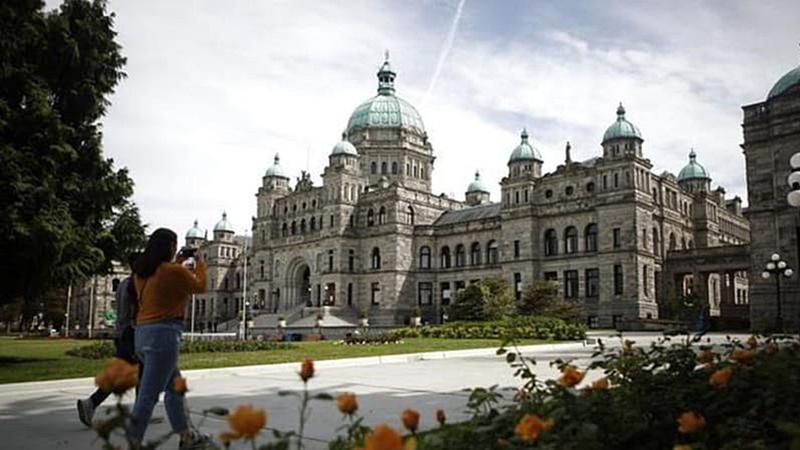
(File photo/The Canadian Press)
Carbon tax hike

Report highlights tax changes on the way in 2022

Dec 27, 2021 | 12:00 PM

The tax man will be taking a bigger bite out of people’s pay cheques in 2022.

The details are included in the Canadian Taxpayers Federation’s annual New Year’s Tax Changes report that highlights the major tax changes next year.

“Everyday life is already unaffordable for many British Columbians and hiking up the carbon tax is just going to make it more difficult,” said Kris Sims, B.C. Director of the Canadian Taxpayers Federation. “The cost of getting to work, heating your home and delivering our supplies will all increase next year.”

The B.C. government is increasing the provincial carbon tax from 10 cents per litre of gasoline to 11 cents on April 1st. At that level, the first B.C. carbon tax will cost about $8 extra when filling-up a minivan.

The increased carbon tax also applies to diesel for vehicles and to natural gas for home heating.

Residents in the Metro Vancouver regional district will see a 3.5 per cent increase in their property tax for 2022, in addition to other property tax changes based on the city they live in.

The Canadian Taxpayers Federation highlighted major tax changes in the New Year across the country.

“If you’re making more than $40,000, the federal government will be taking more of your paycheck every month,” said Franco Terrazzano, Federal Director with the CTF. “From higher carbon taxes to rising alcohol, payroll and property taxes, there’s a raft of tax hikes coming in the New Year.”

Key takeaways from the report include:

  • Taxpayers making $40,000 or more in 2022 will see the federal government deduct more money.
  • The Canada Pension Plan tax increase will cost workers and businesses an extra $333 each in 2022.
  • The Employment Insurance tax increase will cost each worker an extra $63 in 2022 and businesses an extra $89.
  • The increase in the federal personal basic amount will save taxpayers $89.
  • The federal carbon tax will increase for the third time during the pandemic to 11 cents per litre of gasoline on April 1, 2022.
  • Alcohol taxes will increase for the third time during the pandemic on April 1, 2022. Taxes already account for about half of the price of beer, 65 per cent of the price of wine and more than three quarters of the price of spirits.

You can find the CTF’s 2022 New Year’s Tax Changes report here.

Perhaps in response to the CTF’s report, the B.C. government issued a news release on Dec. 28, outlining measures the province is taking to bring down costs for people in 2022.

In the coming year, families will benefit from:

* expanded $10-a-day child care and reducing average fees by as much 50% by the end of 2022 for children under six

* free public transit for kids under 12 that will save them as much as $672 in 2022

* the biggest rate reduction in ICBC’s history, which reduced car insurance rates by 20% on average in 2021

* increased minimum wage, which gives the lowest-paid workers in B.C. a raise to more than $15.20

“People are worried about the cost of everyday life, and the pandemic has only made it more difficult for those already struggling to get by,” said Premier John Horgan. “This year, our government will continue working to bring down costs for people and their families so we can build a stronger B.C. for everyone.”

These initiatives build on the Province’s work to make life more affordable for people over the last four years, including:

* elimination of MSP premiums and bridge tolls

* capping rent increases to inflation

* saving tens of thousands of families up to $19,000 a year on child care

* eliminating interest on student loans

* increasing income assistance by more than 50%

“We don’t want to go back to the old ways of unfair MSP premiums or skyrocketing ICBC rates that made life more unaffordable for people,” Horgan said. “There’s still much more work to do, but we’ve taken concrete action to lower costs for families. We’ll keep working to put money back into the pockets of British Columbians.”

For the B.C. government’s perspective on tax changes, click here.

View Comments