Get the Top, Local stories delivered to your inbox! Click here to join the daily Vernon Matters newsletter.
(ID 137339524 © Vitalii Shcherbyna | Dreamstime.com)
Fire prevention week

Time to check your smoke and CO alarms

Oct 7, 2021 | 7:00 AM

It is that time of year when residents are encouraged to make sure the smoke and carbon monoxide detectors and alarms are working properly in their homes.

As part of National Fire Prevention Week from Oct. 3–9, the Kelowna Fire Department advises people to check the batteries and alarm expiry dates, and to replace any devices that have been in use for ten years or longer.

“If there’s one thing I know with certainty, people are always thankful when their fire alarms have worked in an emergency,” said Fire and Life Safety educator Kyle Jacobson. “But alarms only save lives when they’re functioning correctly.”

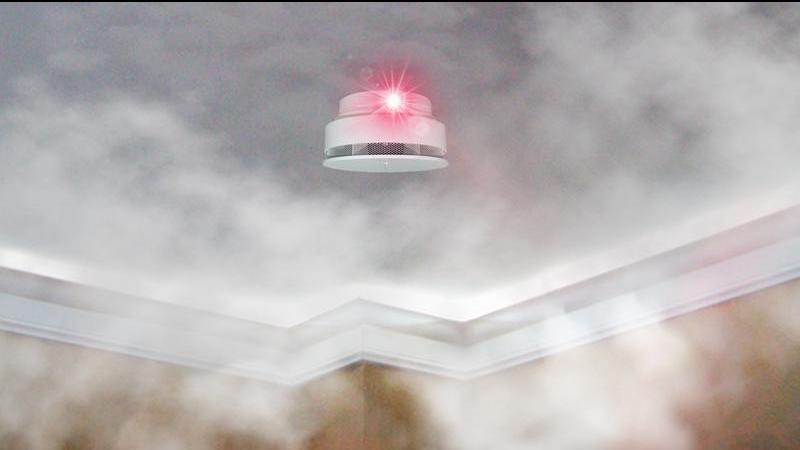
A working alarm can reduce the risk of injury or death in a home fire by half. Alarms sound when they detect smoke or if the level of carbon monoxide rises rapidly, notifying occupants before they are trapped or overcome. Alarms should be installed on every level of your home, including the basement and in every bedroom, and checked routinely.

Video credit: Kelowna Fire Department/YouTube

“Maintaining your alarms is a simple task, but critically important,” explained Jacobson. “Take a minute to wipe the unit clean of dust and grease, change out batteries and check the alarm expiry date. You should replace CO alarms and smoke detectors that have been in use for 10 years or longer.”

What is your alarm telling you?

SMOKE ALARMS

  • A continued set of three loud beeps—beep, beep, beep—means smoke or fire. Get out, call 9-1-1, and stay out.
  • A single “chirp” every 30 or 60 seconds means the battery is low and must be changed.
  • Chirping that continues after the battery has been replaced means the alarm is at the end of its life and the unit must be replaced.

CARBON MONOXIDE (CO) ALARMS

  • A continuous set of four loud beeps—beep, beep, beep, beep—means carbon monoxide is present in your home. Go outside, call 9-1-1 and stay out.
  • A single chirp every 30 or 60 seconds means the battery is low and must be replaced.
  • CO alarms also have “end of life” sounds that vary by manufacturer. This means it’s time to get a new CO alarm.
  • Chirping that continues after the battery has been replaced means the alarm is at the end of its life and the unit must be replaced.

“Smoke and CO alarms in your home should also be reassessed to meet the changing needs of everyone in your home, including those with sensory or physical disabilities,” says Jacobson.

It might be a good time to consider:

  • Installing a bedside alert device that responds to the sound of the smoke and CO alarms. Use of a low frequency alarm can also wake a sleeping person with mild to severe hearing loss.
  • Sleeping with your mobility device, glasses, and phone close to your bed.
  • Keeping hallways lit with night lights and free from clutter to make sure everyone can get out safely.
View Comments