Get the Top, Local stories delivered to your inbox! Click here to join the daily Vernon Matters newsletter.
(Copyright: (c) Jetcityimage | Dreamstime.com)
Five year anniversary

B.C. moves to decriminalize personal possession of drugs

Apr 14, 2021 | 9:50 AM

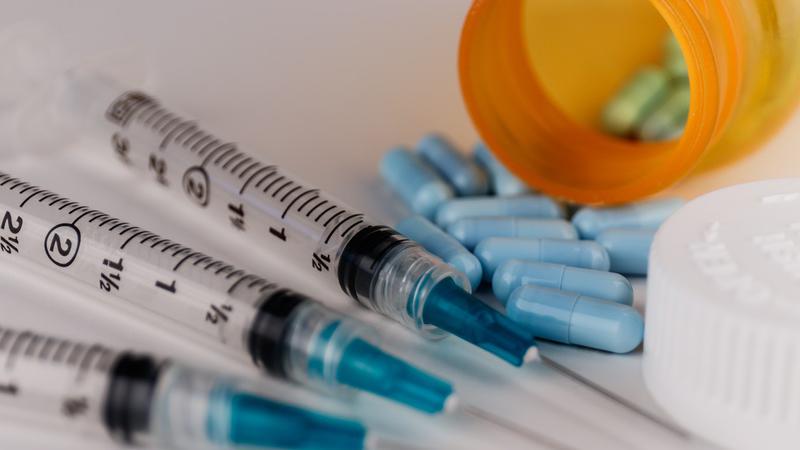
Today marks five years since drug-related overdoses were declared a public health emergency in B.C.

More than 7,000 people have died by overdose since the emergency began, including a record number last year (1,724).

Vernon recorded 26 illicit drug overdose deaths last year, almost double the 14 in 2019.

Kelowna had 61 deaths in 2020, compared to 31 the year before. Kamloops recorded 60 deaths last year, up from the 25 in 2019.

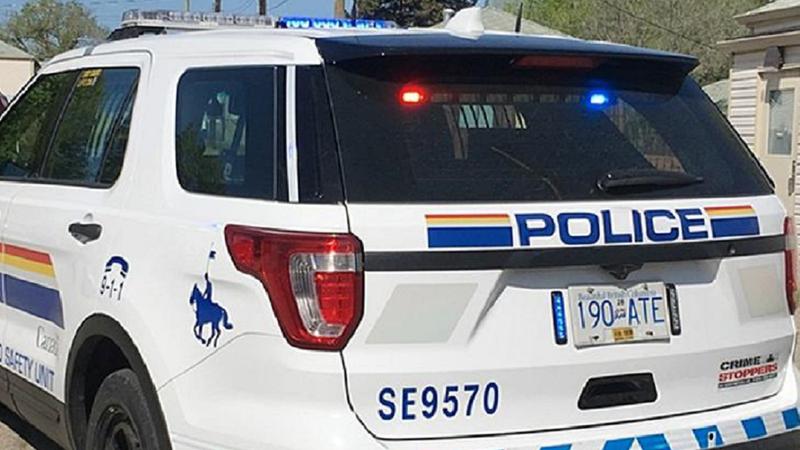
To address stigma, the B.C. government has announced it will request a federal exemption from Health Canada to decriminalize personal possession of drugs in the province to remove the shame that often prevents people from reaching out for life-saving help.

“Stigma drives people to hide their drug use, avoid health care and use alone,” Sheila Malcolmson, Minister of Mental Health and Addictions said. “Through province wide decriminalization, we can reduce the fear and shame that keep people silent about their drug use, and support people to reach out for help, life-saving supports and treatment.”

Officials with the Ministry of Mental Health and Addictions and Health Canada have been working on an agreement that outlines how B.C. will work with Health Canada to apply for a province wide exemption to the Controlled Drugs and Substances Act, which governs simple drug possession.

The province is also committing 45-million dollars over the next three years for overdose prevention services.

“This investment will support people who use drugs by enabling health authorities to continue scaling up their regional overdose responses through new and expanded overdose prevention services, including inhalation sites to meet the growing need for this mode of consumption,” Malcolmson added. “Health authorities are hiring new registered nurses who can prescribe addictions treatment medications, in addition to social workers and peer support workers for new and existing interdisciplinary outreach teams.”

The province said in addition to expanding proven, life-saving measures – such as supervised consumption sites and making naloxone widely available, it is also building up treatment and recovery services, adding new beds around the province, and trailblazing first-in-Canada solutions like prescribed safe supply and nurse prescribing.

View Comments