Get the Top, Local stories delivered to your inbox! Click here to join the daily Vernon Matters newsletter.
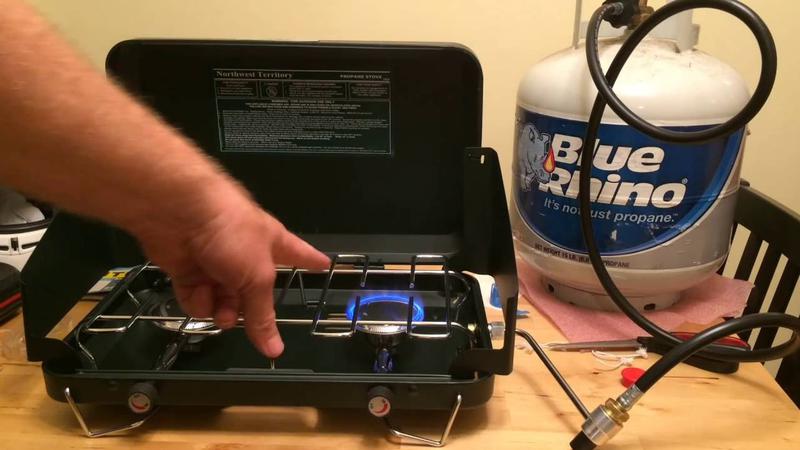
Tank adapter (photo / hoohoohoblin YouTube)
One pound canisters expensive

RDNO looks at ways to cut down on small propane cylinders

Feb 22, 2021 | 6:00 AM

If you have been camping in the Okanagan, you might have purchased one pound propane bottles to use with your camp stove or lantern.

The Regional District of North Okanagan (RDNO) is concerned about the small canisters from both an environmental and financial standpoint.

“I’m pretty shocked at the cost we have to pay to recycle these containers,” Denis Delisle Electoral Area “F” Director stated at this week’s RDNO board meeting.

Unfortunately a lot of the tanks end up in the garbage, as curbside recycling won’t take them.

Local landfills and transfer stations will take the cylinders for a $1 charge. They cannot be recycled other than for metal.

For five pound to 100 pound tanks, a third party recycler takes them for reconditioning and resale, or to recycle the metal if the tanks aren’t usable.

In an effort to get people to use five pound cylinders, RDNO is adding $5,000 to the waste reduction/recycling program to fund an adapter rebate program.

“The plan is to encourage people to convert from one pound to five pound tanks,” Dale Danallanko, RDNO Recycling and Disposal Operations Manager, said. “One pound cylinders are very expensive to buy, and if you camp a lot, the savings are significant.”

A three pack of one pound Coleman cylinders retails for $19.99 plus tax, while five, 11 and 20 pound tanks range from $44.99 to $59.99 plus tax at Canadian Tire.

The adapter sells for around $30 for a four foot hose, and also works with 20 pound cylinders.

In addition to financial and environmental considerations, there is also the issue of safety.

“Compressed gas containers are dangerous to include in your curbside or apartment recycling bins, since they pose a healthy and safety risk to workers and to recycling facilities due to the potential for large scale damage,” Recycle B.C. stated on their website.

The danger posed by compressed gas cylinders is primarily because of the potential for compressed gas to explode; if ruptured, cylinders can become self-propelled rockets, or they can catch fire, which is particularly dangerous in a sorting facility where other material being sorted, like paper and cardboard, is extremely flammable.

Also, most compressed gases are toxic or corrosive, so special care must be taken to ensure no one is harmed during the recycling process.

The program still requires final budget approval from RDNO.

View Comments