Get the Top, Local stories delivered to your inbox! Click here to join the daily Vernon Matters newsletter.
Eurasian milfoil rototiller (photo/Okanagan Basin Water Board)
Cultivating proposed versus rototilling

Kin Beach milfoil problem still on the radar

Feb 4, 2021 | 5:22 AM

The provincial government has received a new proposal to deal with a decline in habitat and water quality at Vernon’s Kin Beach due to restrictions on milfoil rototilling.

In 2010 the Rocky Mountain Ridged Mussel was declared an endangered species.

Research in multiple beach areas of Okanagan Lake have identified hundreds of mussels in multiple patches previously not inventoried, including the proposed dog beach areas adjacent to Kin Beach and in areas rototilled for multiple decades.
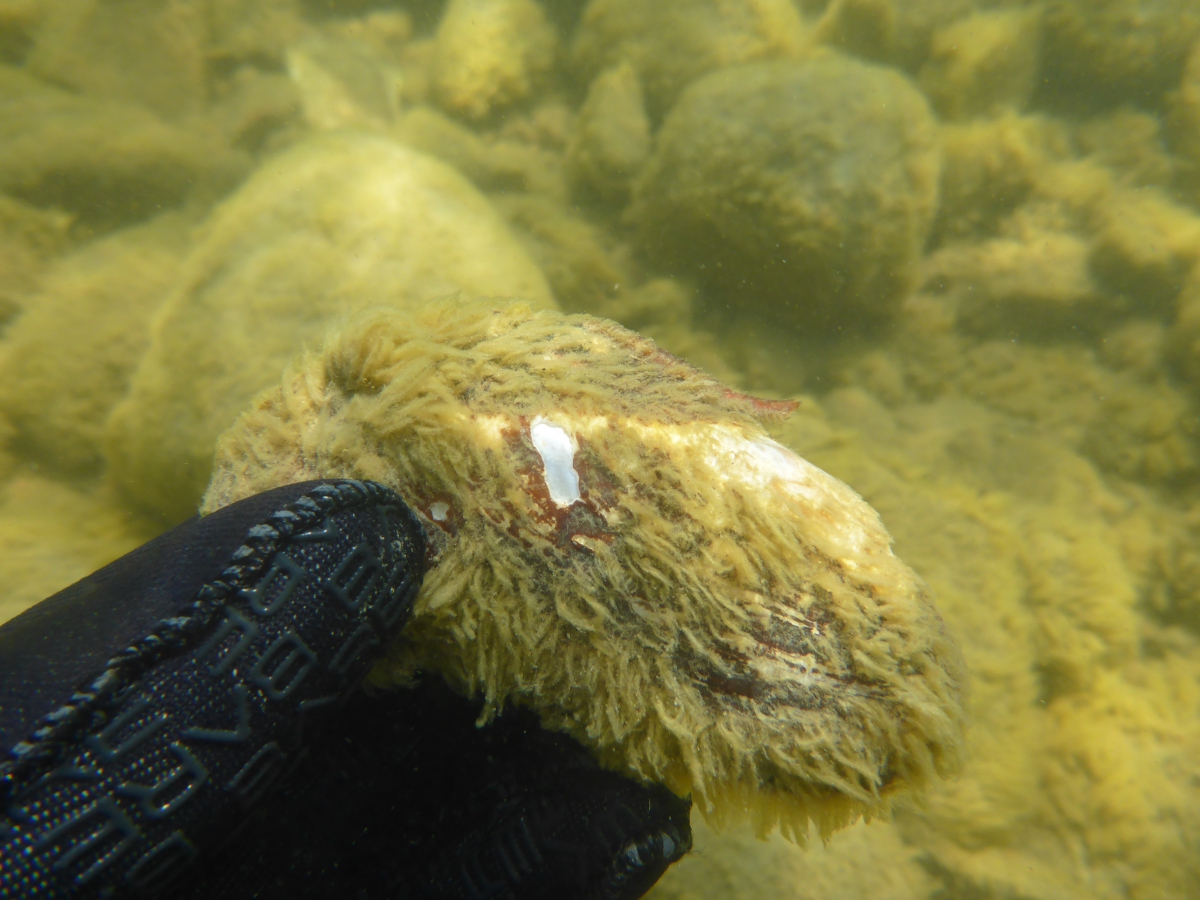
Rocky Mountain Ridge Mussel (photo/Province of B.C.)

The province moved to restrict the uprooting of milfoil to a depth of 1.5 metres which left the shallow beach area, that most tourists would use, untreated, creating a thick mat of the weed. Tourism officials have expressed concern about the general decline of the beach due to milfoil and invasive resident Canada Geese.

Vernon Mayor Victor Cumming has questioned the science behind preventing the restrictions, noting there has been a lot of new research done since 2015 that hasn’t been considered.

The Okanagan Basin Water Board (OBWB) has used a small agriculture cultivator at shallow Kelowna beaches. It has proved very effective at removing milfoil to a depth of about one metre.

“There have been no Rocky Mountain Ridged Mussels found along any of the Kelowna shoreline,” Kelowna Mayor Colin Basran said.

“We have proposed that using the shallow-water cultivator may reduce any potential harm to native mussels while still maintaining a safe swimming area with improved water quality and fish habitat,” James L:ittley, OBWB Operations and Grant Manager said. “The cultivator could treat most of the area currently restricted by the permit.”

Provincial staff are reviewing this proposal, and OBWB will likely need to provide more information and potentially conduct research before permission could be granted.

“There are still concerns at the provincial level, but at least they have agreed to look into it,” Littley added.

The work can’t be done in the winter so there would be no improvement for 2021, but if approved, there might be a window of opportunity in the fall, when the mussels are still active and able to relocate.

View Comments