Get the Top, Local stories delivered to your inbox! Click here to join the daily Vernon Matters newsletter.
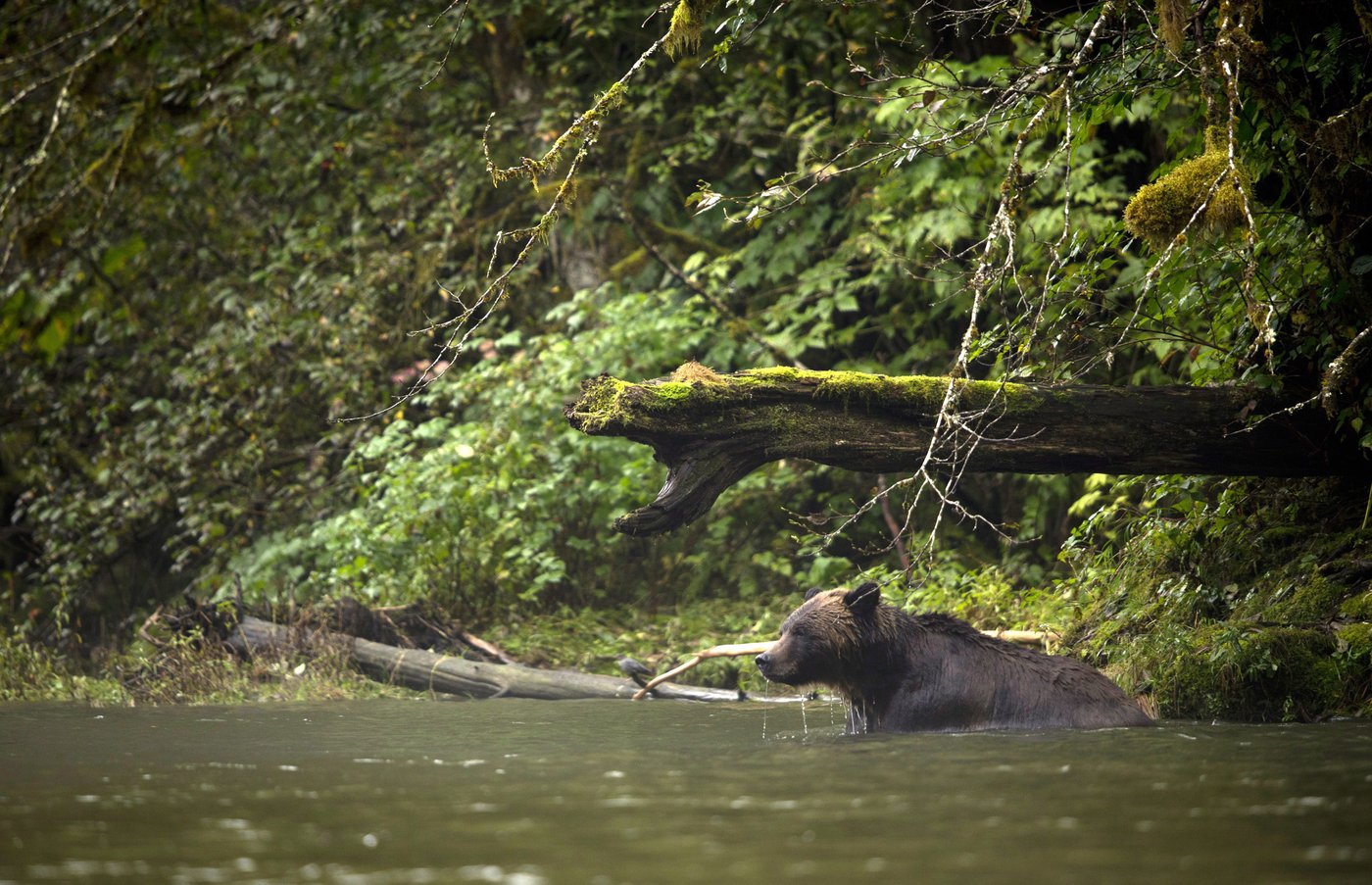
A grizzly bear searches for food as he fishes in Khutze Inlet near Princess Royal Island, B.C., on Thursday, Sept, 19, 2013. THE CANADIAN PRESS/Jonathan Hayward

DNA expert likens B.C. bear attack investigation to crime scene

Nov 6, 2026 | 12:42 PM

A forensic DNA expert said investigators assessing the scene of this week’s deadly bear attack in Bella Coola, B.C., will likely use techniques to identify the culprit animal very similar to those used at a crime scene involving human DNA.

“It is pretty much exactly the same techniques. It’s just we’re reading a different book,” said Dean Hildebrand, who oversees the accredited forensic DNA lab at the British Columbia Institute of Technology.

“In this case, it’s a grizzly bear genetic book instead of a human genetic book, but the tests are all analogous to what we use all the time.”

Though he is not involved in the case in Bella Coola, Hildebrand said investigators would collect samples, including saliva, blood or hair, to be tested in a forensic lab. The lab would then compare the DNA sequence with any animals captured.


“They’re going to document the scene with drawings and photographs and notes, and then they’re going to collect DNA samples the same way they would at a human scene,” he said.

The main difference, he said, is that investigators at animal scenes don’t need to worry about cross-contaminating bear samples with their own DNA.

The BC Conservation Officer Service has yet to capture any bears that may have been involved in the attack that killed a mother and daughter in Bella Coola.

School art therapist Jenny Balcarras and her adult daughter, Selah Reed, were reported missing on Sunday and their bodies were later found about 150 metres apart, near a set of trials.

The service has previously said DNA from the attack would be compared against samples collected in the same area last year, after a grizzly attacked a group of about 20 elementary school students and teachers, leaving an adult and three children badly injured.

The animal involved in that attack was never captured.

In its latest statement, the service said it was using various trapping techniques to find the bear or bears that may have been involved in this week’s attack, and officers were being rotated into the central coast community to support the search.

This report by The Canadian Press was first published Nov. 6, 2026.

Brieanna Charlebois, The Canadian Press