Get the Top, Local stories delivered to your inbox! Click here to join the daily Vernon Matters newsletter.
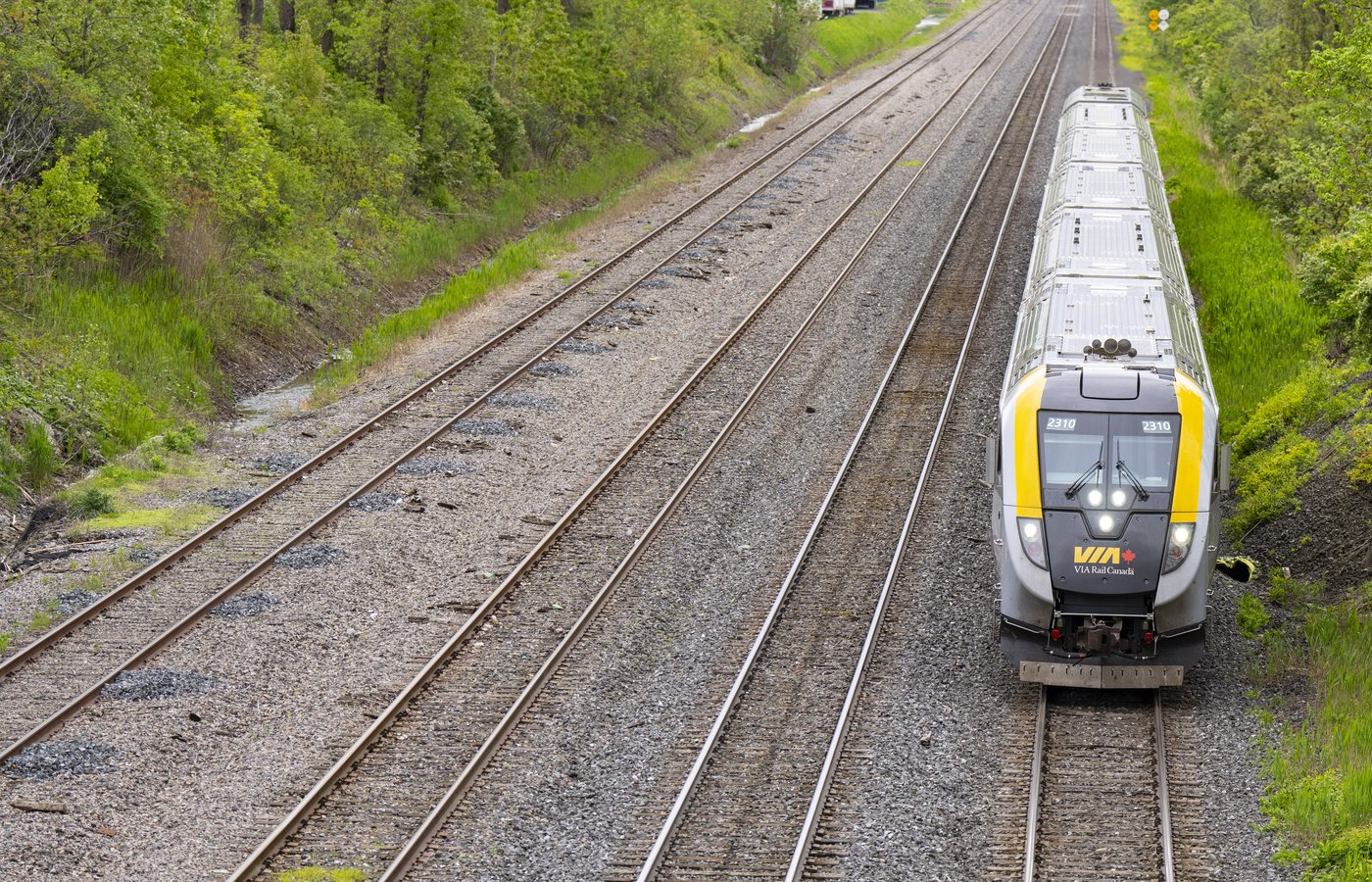
A Via Rail train passes Dorval, Que., as it heads out of Montreal on Friday, May 23, 2025. THE CANADIAN PRESS/Christinne Muschi

Budget watchdog says Alto rail construction could cost more than Ottawa predicts

Oct 1, 2026 | 6:47 AM

OTTAWA — The federal budget watchdog is warning construction of a high-speed rail line between Toronto and Québec City could cost more than Ottawa’s initial estimate.

The Office of the Parliamentary Budget Officer released a report Thursday that attempts to put a dollar figure on the federal government’s proposed Alto high-speed rail corridor.

Ottawa has released project cost estimates of between $60 billion and $90 billion. The PBO believes the price tag will range from $75 billion to $113 billion.

“This range reflects the considerable uncertainty inherent in large-scale rail infrastructure projects,” the report read.


The budget watchdog arrived at its estimates mainly by comparing Alto to similar large infrastructure projects in other jurisdictions.

The main cost drivers for major rail projects tend to be tunnelling and elevation to navigate terrain along the route. The PBO assumes a 15-kilometre tunnel will be needed between Laval and Montreal for the Alto line.

The rocky Canadian Shield will also pose engineering challenges for the segment between Ottawa and Peterborough, Ont., the PBO said. The budget office expects costs for cutting, grading and filling through the Shield would be “comparable to, though lower than” installing elevated structures along the route.

The PBO’s projections exclude a potential Kingston, Ont., stop along the Ontario-Quebec route, which was pitched as a possible addition back in June.

Diverting and extending the route to include Kingston could avoid some of the Canadian Shield but likely would run the rail line through areas that are already developed, ecologically vulnerable or require more consultation with Indigenous groups, the report said.

Litigation, difficulty getting land approvals, design challenges and weak project management practices are among the factors that drive up costs for major infrastructure projects, the PBO noted.

The federal Liberals have passed legislation to streamline approvals for major projects like high-speed rail.

“The report concludes that these measures may reduce — but do not eliminate — legal, permitting and schedule risks,” the PBO said in its analysis.

Marlee Socket, spokesperson for Alto, said in a media statement that while the Crown corporation has used different costing methodologies, the budget office’s projections are similar and “consistent with Alto’s working estimate.”

She said the report also pushed back against “pessimistic scenarios” raised in public debate about the ultimate cost of the project.

Planning for the rail line will “refine cost estimates and finalize a rigorous business case before any final investment decision is made,” Socket said. An initial business case for Alto is expected in the first half of next year, she added.

The federal Conservative party has called the Liberal proposal a costly “boondoggle” and members of the Bloc Québécois say they fear the project is being rushed through without proper consideration.

Alto has also received pushback from residents in Ontario and Quebec who are concerned about the proposed route and possible land expropriations along the corridor.

The budget office noted the development of the Alto line would create between 4,300 and 9,000 construction jobs and add billions to Canada’s gross domestic product, amounting to “near-term economic stimulus.”

The PBO is planning a second report to determine whether projected ridership on the line would be enough to sustain the system’s operations.

Eleanor Olszewski, the Liberal minister heading up economic development in the Prairies, announced Monday that the federal government is also planning to work with Alberta on a possible high-speed rail project connecting Edmonton and Calgary.

This report by The Canadian Press was first published Oct. 1, 2026.

Craig Lord, The Canadian Press