Get the Top, Local stories delivered to your inbox! Click here to join the daily Vernon Matters newsletter.

Village of Granisle, B.C., faces lawsuit over aluminum-contaminated water

Mar 4, 2026 | 1:00 AM

Soon after Rhiana Stryd moved to the scenic lakeside Village of Granisle in British Columbia’s northern Interior in the fall of 2024, she says she began noticing her parents’ health going downhill, while she was vomiting every day for months.

Stryd said that when her daughter visited, she got sick too.

Their health woes prompted Stryd to start looking for a “common denominator” behind their symptoms.

“It ended up being the water,” Stryd said.

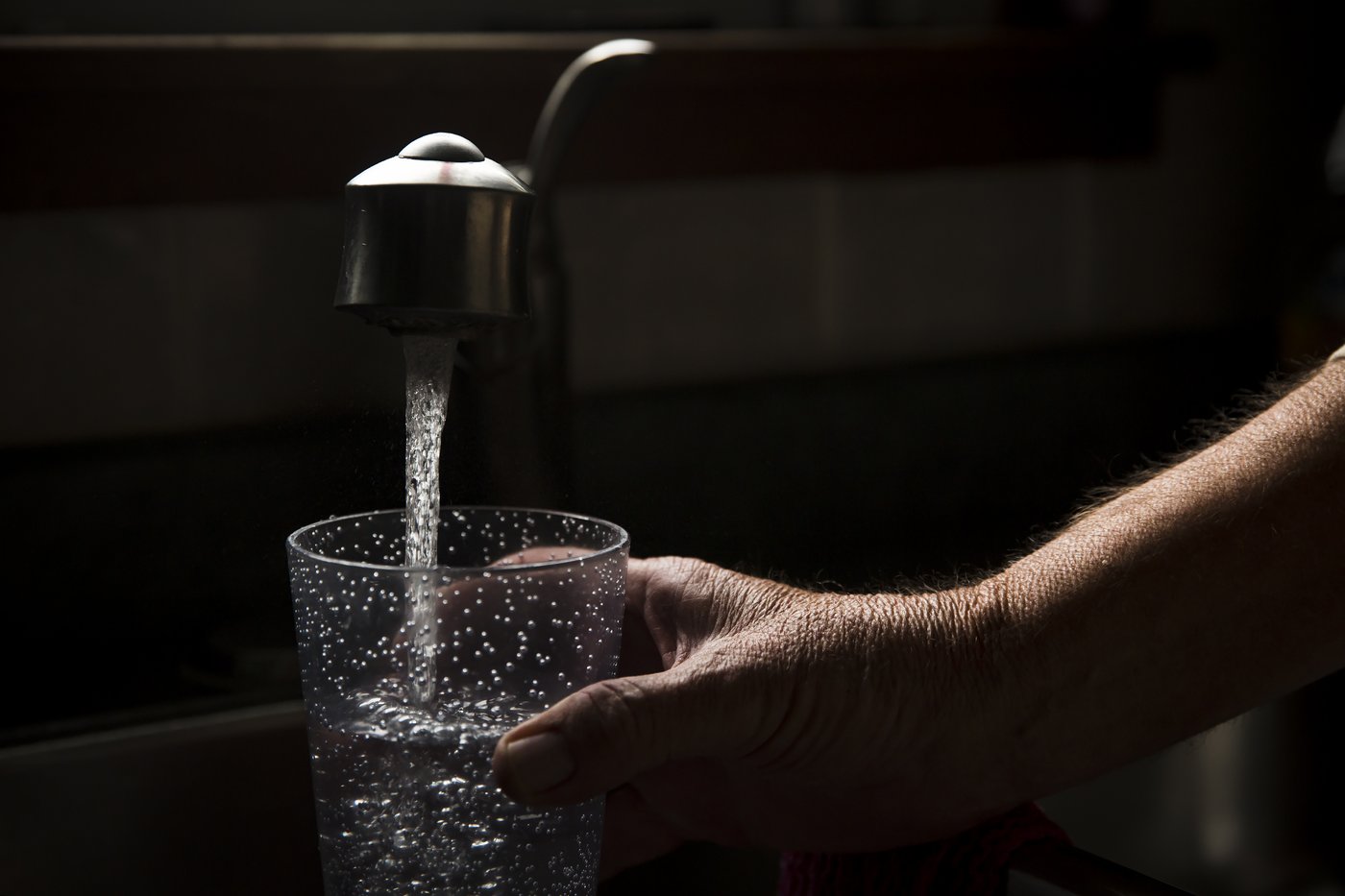
Now Stryd is leading a proposed class-action lawsuit against the village and Ontario-based water treatment company Purifics Water Inc., alleging that Granisle’s 300-plus residents were supplied with aluminum-tainted drinking water for an unknown period of time.

The Village of Granisle issued a “do not consume” order in December 2025, and residents have been relying on bottled water distributed with the help of volunteer firefighters, but Stryd said her efforts to get answers about the water problems are ongoing.

“Since then, we have been kept in the dark. The only information we were being provided for a number of weeks was information that I was gathering,” she said. “Then the village tried to get ahead of it and released a timeline into what had gone on in the water treatment facility to cause the coagulant to leak into our system.”

The timeline of the lead-up to the order posted by the Village of Granisle said a power surge at its water treatment plant in June 2024 preceded complaints about water discoloration and a “slimy” feeling in the months afterwards.

The treatment plant, the lawsuit said, uses a “coagulation and filtration process” to remove impurities from water sourced from Babine Lake, and it’s alleged that the contamination resulted from a coagulant leak.

A test in October 2024 showed a water sample with aluminum levels of 8.99 mg/l — more than triple the maximum allowable concentration — but both the village and the Northern Health Authority only “became aware” of that test result in January 2026.

A document from Northern Health posted on the village’s website on Tuesday said Granisle’s drinking water shouldn’t be consumed, but it’s still safe for bathing, laundry, dishwashing and handwashing.

It said short-term aluminum exposure isn’t likely to cause any immediate health effects in healthy adults, but long-term exposure to high-levels of aluminum can cause neurological symptoms including tremors, confusion and gastrointestinal problems such as vomiting.

Stryd’s lawsuit alleges that residents weren’t told about the 2024 test results and “continued to consume drinking water supplied by the water system without being warned of contamination.”

“We are looking into how this occurred, and setting up protocols to ensure it does not occur again,” the village’s timeline document said.

New components to fix the leak were sent to the village by Purifics Water at the end of January, but testing at that time still showed aluminum levels beyond safe drinking water guidelines.

The village and Purifics have not responded to the lawsuit, and Granisle Mayor Linda McGuire said the village is aware of the claim and seeking out legal counsel, but she was unable to comment on the claim.

Purifics Water did not respond to a request for comment on the lawsuit.

Lawyer Scott Stanley, who filed the action in Vancouver last month, said the class could include roughly 400 people if certified.

“I think I would be fair to describe the people of Granisle as being distressed, or collectively distressed, over the uncertainty of their water supply, not knowing what they’ve ingested, when they’ve ingested and what the long-term impacts of that will be. That would cause anybody to be distressed,” he said.

For Stryd, who unsuccessfully ran for Granisle council last year, the village’s small-town politics have boiled over at council meetings and on community Facebook groups as she’s tried to get health officials and other policy makers to take notice of the ongoing water woes.

“If you speak out against the municipality, they shut you down very, very quick. They tell you not to speak,” she said.

“That is why I ran for council because I was like, if I can get into council and I can get more information, then I can whistleblow. Now they’re going to hear me. I lost, which was to my benefit because now they can’t shush me.”

This report by The Canadian Press was first published March 4, 2026.

Darryl Greer, The Canadian Press