
Get the Top, Local stories delivered to your inbox! Click here to join the daily Vernon Matters newsletter.
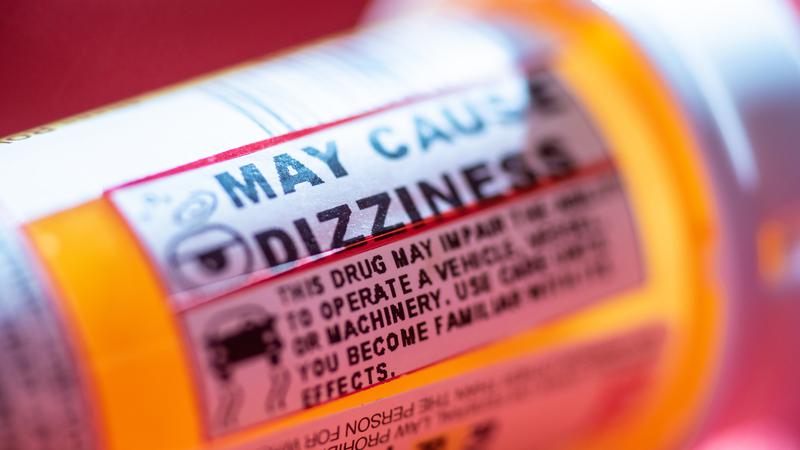
Prescription drug warning label. (Photo 143659690 © Roger Asbury | Dreamstime.com)
Warning labels not enough

Most dangerous prescriptions for drivers identified

Apr 22, 2021 | 2:19 PM

It’s well-known that drinking and driving is linked to a high risk of causing a car crash.

But taking common prescription medications like sleeping pills, opioids and medication used to treat anxiety and depression also poses a risk, a new UBC study of millions of drivers finds.

B.C. drivers prescribed sedating antipsychotics have a 35 per cent increased risk of causing a road collision, while people on commonly prescribed benzodiazepines (like Valium or Xanax) increase their risk by 25 to 30 per cent.

The researchers from UBC’s faculty of medicine also found that high-potency opioids such as morphine showed a 24 per cent increased risk of road collisions.

“These results indicate a need for more caution among drivers taking medications, and specific advice from physicians who prescribe them,” Dr. Jeff Brubacher, an associate professor at UBC’s Faculty of Medicine said.

Standard medicine warning labels recommend not driving if you feel drowsy, a lack of symptoms does not mean drivers are not at risk.

“Even if you feel safe to drive, you’re still at a modestly increased risk of up to 35 per cent, which is nothing to ignore,” Brubacher added.

The researchers studied prescription records and motor vehicle collisions over a 20-year period in B.C. This included almost five million drivers, over 131 million prescriptions and over 600,000 collisions from Jan. 1, 1997 to Dec. 31, 2016.

They also studied the common notion that people build up tolerance to medication over a period of time.

“People taking these medications on a long-term basis might think they are tolerant to it and are safe to drive,” Brubacher said. “But in reality, the risk of causing road collisions goes up in these groups of people and it stays up even with time.”

The findings could be used to further develop better practices and public awareness of the dangers.

“If almost every medication is dispensed with a warning not to drive, then that messaging loses its effect,” he says. “We can maybe be a little bit more selective and specific in our warnings.” Brubacher concluded.

The study proposes that clinicians who prescribe opioids and benzodiazepines should regularly counsel patients on the risks of driving while using these medications, even for patients who have been on the medications for a long time.

This study was published Monday in Lancet Public Health.

View Comments