
Get the Top, Local stories delivered to your inbox! Click here to join the daily Vernon Matters newsletter.
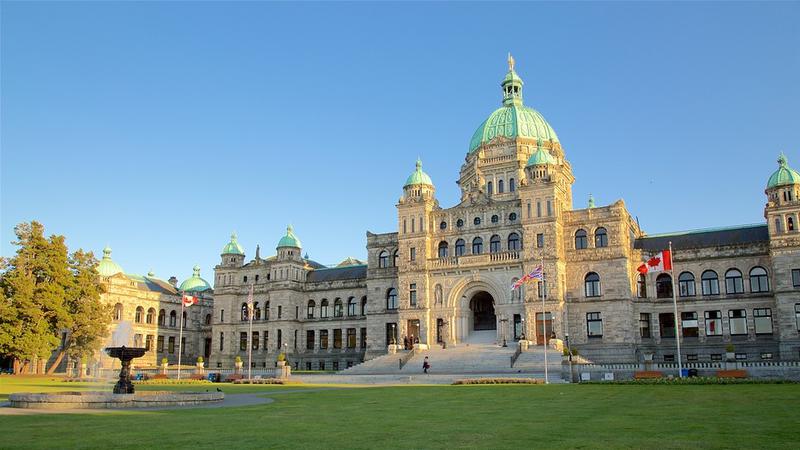
(B.C. Government/Flickr)
Public hearing input

Province receives over 200 recommendations for Budget 2023

Aug 11, 2022 | 4:36 PM

The Select Standing Committee on Finance and Government Services has made 216 recommendations for the BC government’s 2023 budget.

The report on the consultation overview said the recommendations were based on feedback from public hearings held through B.C. in June.

“During the consultation, we heard about the effects of climate change with respect to natural disasters, food security and supply-chain challenges,” said Janet Routledge, committee chair.

“The committee recognizes that the next budget is an opportunity to invest in climate mitigation to improve resiliency, particularly with respect to transportation infrastructure and agriculture.”

The committee has a total of 216 recommendations that cover 12 categories:

  • Equity and Inclusion – 13 recommendations, including:
    • Creating an independent disability protection advocacy office;
    • Taking immediate action to address pay equity for women;
    • Implementing the Declaration Act Action Plan with adequate resources;
    • Building on progress to ensure clean water for Indigenous peoples;
    • Ensuring rural and remote communities have access to high-speed internet and phone services;
  • Advanced Education – 20 recommendations, including:
    • Multi-year funding for literacy programs;
    • More funding for affordable and accessible student housing;
    • Create a funding formula that recognizes inflationary pressures on institutions;
    • Work with institutions to retain staff and instructors;
    • Provide need-based assistance to students;
    • Increase mental health supports for students.
  • Arts, Libraries and Sport – 11 recommendations, including:
    • Increase funding for the B.C Arts Council;
    • Provide funding for museums in smaller communities;
    • Support the digital media industry through tax credits;
    • Increase annual operating grants for public libraries;
    • Invest in amateur sports to make it more affordable.
  • Economic Development – 34 recommendations, including:
    • Funding the agriculture sector to support the economy and food security;
    • Conduct comprehensive reviews of insurance for crops and farms;
    • Fund food programs for seniors’ centres;
    • Identify new ideas and opportunities to ensure sustainability in forestry;
    • Facilitate Indigenous leadership in forest management and engagement; amend legislation to ensure gig-workers are classified as employees;
    • Support programs that promote inclusive leadership;
    • Address labour shortages through partnerships with the private sector;
    • Use explicit scientific integrity and transparency policies for the oversight of natural resource management; digitally transform natural resource and agri-food industries;
    • Protect the Municipal and Regional District Tax to ensure it’s being used for the proper purposes;
    • Explore making B.C.’s third-party food delivery fee cap permanent.
  • Environment –25 recommendations, including:
    • Decarbonizing B.C.’s building;
    • Support the transition to cleaner energy;
    • Invest in climate adaption, mitigation and prevention strategies; commit to reducing all greenhouse gases in the province;
    • Establish wildlife governance to improve wildlife management and habitat conservation;
    • Increase funding to address invasive species;
    • Provide funding for the B.C. Watershed Security Fund;
    • Increase accessibility of zero-emission vehicles with charging infrastructure, mechanic training programs, and battery recycling facilities.
  • Fiscal and Regulatory Policy – 13 recommendations, including:
    • Exploring a graduated carbon taxation system;
    • Modernize the relationship between municipal and provincial governments in regards to climate change, transportation, housing and public safety;
    • Review the implementation of PST for online marketplace services;
    • Review the luxury tax in relation to rising cost of vehicles.
  • Health – 32 recommendations, including:
    • Improve dental coverage for lower income British Columbians;
    • Integrate mental health supports into primary care networks;
    • Review mechanisms for the recruitment, credentialing and retention of foreign trained physicians;
    • Increase supports for health-care workers to encourage retention;
    • Improve health care systems in rural and remote communities;
    • Standardize the scope of practice for nurses across B.C.;
    • Develop and implement a 10-year strategic plan to prioritize cancer care and treatment;
    • Increase access to long term child and youth trauma counseling;
    • Fund programs for identity-based counseling and mental health supports;
    • Implement a strategy to cover the costs of prosthetics and orthotics;
    • Review primary care systems to determine how to improve them.
  • Housing – nine recommendations, including:
  • Incentivize the private sector to address the low housing stock;
  • Support the funding and building of public non-market housing;
  • Develop and fund an Indigenous housing strategy;
  • Prioritize investments and programs for those experiencing homelessness;
  • Provide more support to overnight and daytime drop-in centres.
  • K-12 Education – 17 recommendations, including:
    • Review policies surrounding portable funding;
    • Increase the Childcare Operating Fund daily rate;
    • Act to recruit and retain early childhood educators;
    • Increase education funding; improve funding and resources for new curriculum;
    • Expand school meal programs;
    • Conduct an audit of K-12 students to find better ways to support them and optimize resources.
  • Public Safety and Justice – 23 recommendations, including:
    • Increase annual funding for legal aid services and access to justice;
    • Ensure proper resources and supports are available to deal with prolific offenders;
    • Support victims of domestic abuse;
    • Review how gender-based violence and sexual assault is handled across B.C.;
    • Provide more resources for responding to natural disasters and emergencies.
  • Social Services – seven recommendations, including:
    • Improve and increase supports for children and youth in care;
    • Examine service delivery and improve response to mental health, addictions, and other complex issues;
    • Review the eligibility and administration of income and disability assistance.
  • Transportation and Transit – 11 recommendations, including:
    • Increase investments in active transportation infrastructure;
    • Review B.C.’s transportation systems and find ways to build sustainable and green transportation networks;
    • Increase investments in province-wide public transit to ensure accessible, affordable options;
    • Invest in decarbonizing B.C.’s fleet.

The report noted that the consultations made it apparent that there would need to be a focus on addressing the increasing cost of living and improving affordability in the province, and those comments were then adopted and used to guide the development of the recommendations.

The committee that compiled the report and recommendations is comprised of 10 MLAs, including Vernon-Monashee representative, Harwinder Sandhu, and 10 staff members, many of whom are researchers or research analysts.

View Comments