
Get the Top, Local stories delivered to your inbox! Click here to join the daily Vernon Matters newsletter.
Photo 223475264 © Frantic00 | Dreamstime.com
Man vs Machine

Self-checkouts increase due to labour crunch

Nov 7, 2022 | 5:00 AM

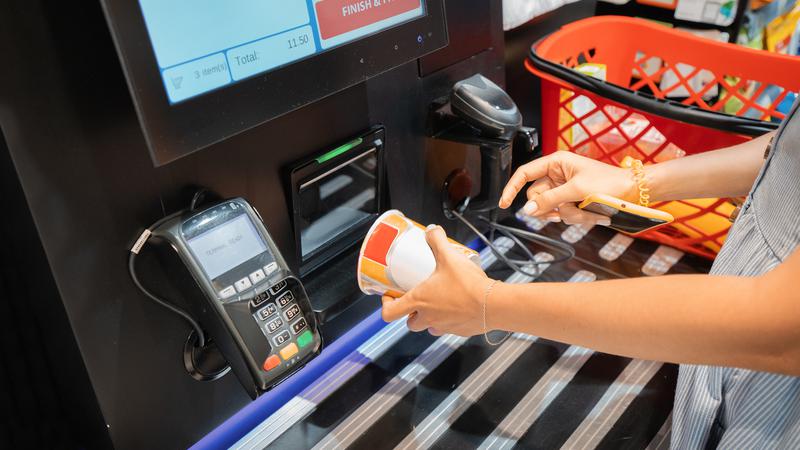
The acute labour shortage in retail is fueling a move to self-checkout kiosks at an increasing number of stores.

The Thompson-Okanagan regional unemployment rate increased to 4.9 per cent last month.

While companies like Walmart and Superstore were early adopters of self check-outs, it has taken the pandemic and the current labour market to push other retailers that direction.

Shoppers Drug Mart and Dollarama are just two local examples where the kiosks have recently been added.

There has been widespread angst from the business community over the lack of available employees’s especially in retail and hospitality. Robot restaurant servers are a novelty being tested by some, but in retail, the self-checkout has been around for a while and gaining traction with consumers.

The cost of a new self check-out machine averages about $30,000 in Canada. A minimum wage employee in B.C.earning $15.65 an hour, 40 hours a week, 50 weeks a year would make $31,300.

Self check-outs, like their human counterparts, aren’t perfect and can be frustrating for those not comfortable with technology

However, acceptance from the public of machines is on the increase.

Agri-Food Analytics Lab at Dalhousie University, in partnership with Caddle, surveyed over 10,000 people in May 2021. Canadians were asked about how they intend to exit the grocery store in months to come. An astounding 53.2 per cent intended to use self-checkouts regularly and 60.1 per cent of Gen Z’s and millennials are planning to use self-checkouts more often.

Ironically, many of the jobs eliminated by self check-out kiosks tend to be for the younger demographics trying to get work experience.

Those numbers are in sharp contrast to 2019. According to CivicScience, only 19 per cent of customers 55 and older were willing to use self-checkouts, compared to 35 per cent of customers between the 35 and 54. The younger generations have always been more open to using them, but only 42 per cent did so in 2019.

View Comments