Get the Top, Local stories delivered to your inbox! Click here to join the daily Vernon Matters newsletter.

Canada’s pro-U.S. stance in Iran attack carries security risks, experts say

Feb 28, 2026 | 11:21 AM

Canada’s support for U.S. strikes against Iran could come with security risks as Iran looks to retaliate against perceived enemies abroad, say experts, who also note the political gamble of betting on an attack with uncertain aims and outcomes.

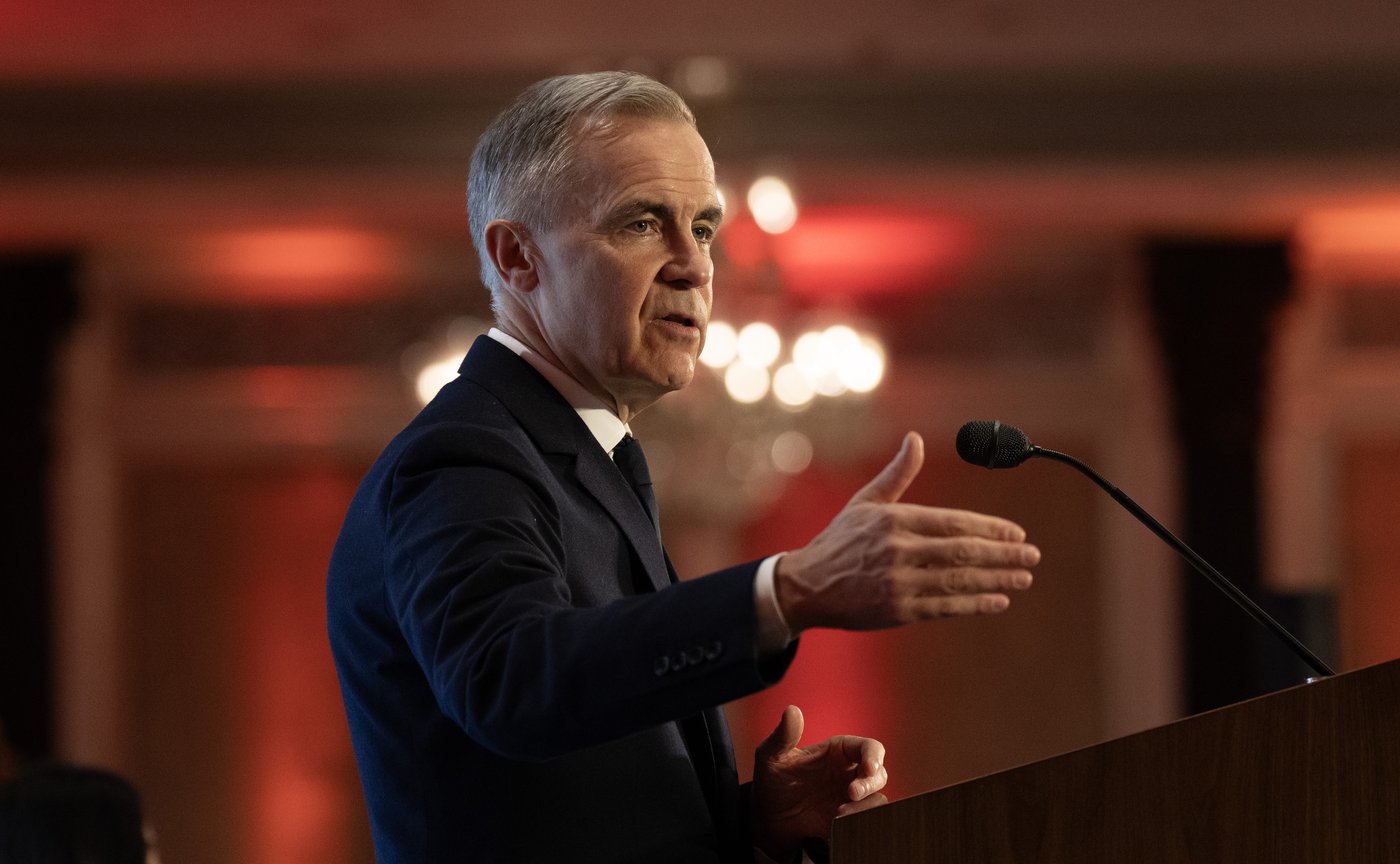
On Saturday, Prime Minister Mark Carney said the government backs American military action to stop Iran from obtaining a nuclear weapon and “prevent its regime from further threatening international peace and security.”

Under Supreme Leader Ali Khamenei, Iran has a history of lashing out against Western countries through cyberattacks on critical infrastructure, online harassment and assassination attempts.

“We should be concerned,” said Thomas Juneau, assistant professor at the University of Ottawa’s school of public and international affairs.

He pointed to “transnational repression — targeting of Iranian-Canadian dissidents, human rights or democratic activists.”

“It could try to do that even more in the coming weeks and months simply because it is so vulnerable and it will want to target anti-regime activism abroad.”

Now in an existential fight, the regime has “nothing to lose” and can be expected to show little restraint both at home and abroad, he said.

The United States and Israel launched airstrikes on Iran in a major attack on Saturday, as U.S. President Donald Trump vowed to decimate the country’s military, destroy its nuclear program and spur a change in government.

Iran retaliated by firing ballistic missiles toward Israel and U.S. bases in the region, where the threat of a broader conflict now looms.

Israel for decades has pointed to the Iranian regime as the main source of threats to its security, and the Carney government has echoed the view that militant groups such as Hamas, Hezbollah and Houthi rebels all threaten Israel with Iranian support.

In 2024, the federal government listed the Islamic Revolutionary Guard Corps — a “praetorian guard” military force that swears fealty to the ayatollah — as a terrorist entity under the Criminal Code.

In cities across Iran, protests erupted in late December as Iranians expressed anger over the rising cost of living and water and electricity shortages. The rallies escalated into mass demonstrations calling publicly for Khamenei’s resignation.

In response to the demonstrations, the regime killed thousands and detained tens of thousands more.

As videos showing the brutal repression spread around the world, Iran cut off access to the internet and most foreign phone communication.

Analysts have had split opinions on whether regime change is possible and if there is a viable political force that could take the country along a path to peaceful democracy.

That unpredictability also carries political risks for those who back the effort, including Canada.

“What surprises me the most about Carney’s statement is the fact that he did take this rather definitive stance in support of a military action whose objectives seem fluid and uncertain, and whose consequences could be grave,” said Stephanie Carvin, who teaches international relations and security issues at Carleton University.

“You don’t have to support the Iranian regime to see the risks and danger of this particular action.”

Carney has ruled out any Canadian military involvement.

The implications in areas ranging from international security to oil prices and trade flows will become clearer in the coming weeks, said Sajjan Gohel, international security director at the Asia Pacific Foundation.

“We’ve seen that regime change in the last 30 years doesn’t really work very well. Whether we’ve tried it in Afghanistan or in Iraq, it doesn’t quite develop the way perhaps people had envisaged,” he said.

This report by The Canadian Press was first published Feb. 28, 2026.

— With files from Dylan Robertson in Ottawa

Christopher Reynolds, The Canadian Press