Get the Top, Local stories delivered to your inbox! Click here to join the daily Vernon Matters newsletter.
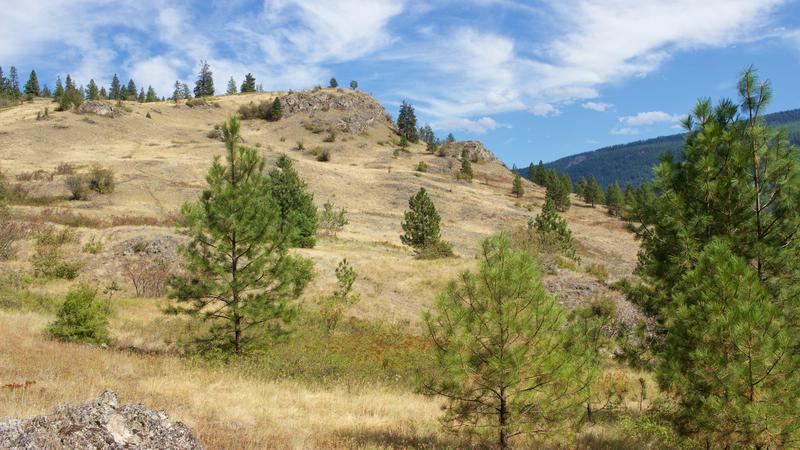
Stock photo of drought conditions in Kalamlaka Provincial Park (ID 59301229 © Katyenka | Dreamstime.com)
B.C. update

New technology to help with wildfire monitoring, high drought & fire risk expected this summer

Mar 18, 2024 | 4:35 PM

The B.C. government is adopting new technology to better monitor wildfire activities.

With the long term forecast showing a risk of another dry, hot summer, the B.C. Wildfire Service (BCWS) is getting a new system to meet the wildfire season head on.

“We are expanding the use of wildfire predictive technologies to better pinpoint where wildfires will move and how they will grow,” Bruce Ralston, Minister of Forests, announced Monday, March 18.

“During a wildfire, this technology will help the B.C. Wildfire Service make critical decisions faster.”


Ralston noted this will build off previously announced enhancements to the BCWS with new aviation units, water delivery systems, camp infrastructure upgrades, and an equipment depot in Prince George.

He also stated the BCWS would continue to trial new technologies, including those used for nighttime aviation patrols and operations.

The bolstering of the BCWS comes ahead of another possible dry, hot summer.

Alyssa Charbonneau, a meteorologist with Environment Canada, said the majority of B.C. saw above-normal temperatures through the fall and winter, and much of the province, including the Okanagan, was facing a widespread precipitation deficit.

Looking ahead, Charbonneau said spring is a “transition season” and typically the wet season for the Interior, but the seasonal temperature forecast calls for warmer and drier than normal conditions from mid-March to mid-April, and above seasonal temperatures through to the end of June.

She noted the weather agency would continuously monitor for high risk systems in the spring and summer, such as heavy downpours that could cause floods or lightning storms that spark fires.

Though a weather system may bring some risks of localized flooding, much of the province is not facing a high flood risk as the snow pack levels are quite low.

“As of March 1st, the provincial average of all stations was 66 per cent of normal, which is a tie for the second lowest over the past 50 years with the year 2001, and the lowest for March 1st [on record] was actually 1977 at 53 per cent of normal,” Jonathan Boyd, a hydrologist with the B.C. River Forecast Centre, explained

He noted that although there were some high snow packs in select areas and snow could continue to fall in some high elevation areas through much of April, the province, as a whole, is not facing a high freshet flood risk.

“There is a decreased flood hazard this season due to a lower snow pack, but the season isn’t over yet, and with El Nino there is an increased likelihood of earlier snow melt than normal, but it ‘s not necessarily guaranteed. The weather conditions will be the real driving force for potential spring flooding, whether that’s extreme heat or very heavy rainfall, and that’s irrespective of it being a below normal snow pack .”

Along with the weather forecast and the snow pack levels, other factors in B.C.’s wildfire risk this spring and summer are the fuel moisture levels, which Neal McLoughlin, Superintendent of BCWS Predictive Services, said pose a higher risk of a fire starting and spreading. He added prolonged drought-stress could also lead to vegetation dying, resulting in more build-up of potential fuels.

McLoughlin added the water from the snow pack melting won’t necessarily offset fire risks, as much of that water either evaporates or flows away quickly rather than be absorbed by fuels or the ground.

The BCWS representative added prescribed burning activities will likely be started earlier than usual this spring to help with the removal of the dry fuel loads and promoting healthy climate ecosystems.

There were also several “holdover fires” in the province that have been burning through the winter, most of which were located in the northeast part of B.C. McLoughlin said these sites were being monitored, especially the ones near the perimeters of the 2023 fires, and the BCWS is focusing on early detection and suppression of those fires in the case of a flare-up.

With the risks of wildfires high this summer, British Columbians are advised to prepare themselves earlier than usual, starting with developing an emergency plan.

“We all have busy lives, but nothing is more important than you and your family’s safety, so set aside some time in the next couple of weeks to meet as a family and discuss your evacuation plan,” Bowinn Ma, Minister of Emergency Management and Climate Readiness, stated.

“Build your Grab and Go kit; ensure you have insurance and review your home insurance policy to ensure you understand how to access coverage if you are evacuated and in need of accommodation; include in your planning where you will stay if evacuated, family and friends is a great option when accommodation can be in short supply.”

She noted the Prepared B.C. website has additional resources for people to access.

Ma adds people who live in high-risk areas can create an online profile for Emergency Support Services in advance.

Nathan Cullen, B.C.’s Minister of Water, Land and Resource Stewardship, also encouraged residents to reduce their personal water use to avoid having restrictions imposed at a later date, while McLoughlin asked the public to be cautious with their outdoor activities to ensure a fire does not start, and to report any wildfires by calling 1-800-663-5555 or by dialing *5555 on a cell phone.

View Comments