
Get the Top, Local stories delivered to your inbox! Click here to join the daily Vernon Matters newsletter.
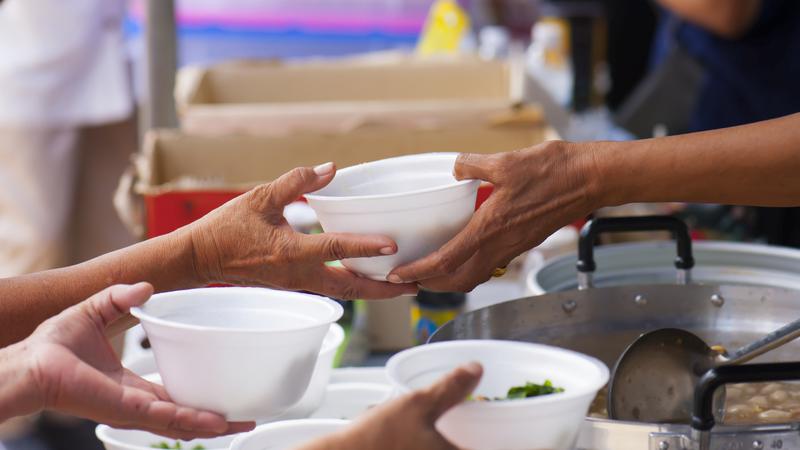
Stock photo (ID 118467741 © Todsaporn Bunmuen | Dreamstime.com)
Rates Rising

Local child poverty rate measured at 14.1 per cent

Mar 1, 2024 | 4:00 PM

Data collected by a child poverty advocacy group showed the local rates of child poverty rose in 2021, the most recent year the statistics are available for.

A review by First Call Child and Youth Advocacy Society found 14.1 per cent of children under the age of 17 in Vernon were in low income families.

Adrienne Montani, Executive Director of First Call, confirmed with Vernon Matters that the local child poverty rate was up from the previous year’s figure of 13.2 per cent.

She noted local children in single-parent families were more likely to be living below the poverty line.

“In 2021, poverty rates for children in lone-parent families [in Vernon] were 40.3 per cent, which was pretty close to the provincial average [of 40.1 per cent,” Montani explained.

“In two-parent families, [the local rate was] 5.6 per cent. So it’s like a five,- six-fold difference, and we know about 80 per cent of lone-parents are female-led families.”

Montani added Vernon’s two-parent child poverty rate was below the provincial average , which was recorded at 7.4 per cent.

The child poverty rate for the North Okanagan as a whole was 14.9 per cent in 2021, marking an increase from 2020’s rate of 14.3 per cent.

Though up on an annual basis, the regional figure remained well below the rate of 17.9 per cent in 2019.

First Call’s review also provided child poverty rates for other nearby communities and regions.

  • Kelowna: 13.7 per cent (up 1.5 per cent annually)
  • Central Okanagan: 13.7 per cent (up 1.5 per cent)
  • Salmon Arm: 13.9 per cent (up 1.5 per cent)
  • Columbia-Shuswap: 15.6 per cent (up 2.2 per cent)
  • Kamloops: 11.5 per cent (up 0.1 per cent)
  • Thompson-Nicola: 14.1 per cent (up 0.4 per cent)

The report stated Prince Rupert had the highest child poverty rate of any community at 22.7 per cent, while the Alberni-Clayoquot region of Vancouver Island had the highest regional rate at 22.4 per cent.

The increases recorded in the local regions was reflected on the provincial level as well.

First Call said the child poverty rate in British Columbia rose to 14.3 per cent, marking a spike after hitting a record low 13.3 per cent in 2020.

The report stated approximately 126,120 children were living in poor households in 2021, stating the rising rate could be attributed party to declining incomes and soaring costs of food and shelter.

Though up on an annual basis, B.C.’s child poverty rate was the third lowest in the country in 2021, after Yukon (10.3 per cent) and Quebec (11.3 per cent). The provinces and territories with the highest child poverty rates were Nunavut (35.8 per cent), Saskatchewan (24.2 per cent), and Manitoba (24 per cent).

The national child poverty rate was recorded at 15.6 per cent in 2021.

In response to the rising rate, First Call issued 25 recommendations in its report for the provincial, federal and local governments to take action and stop child poverty.

  • Increase the hourly minimum wage to $20/hr by 2026
  • Ensure people are paid a living wage
  • Significantly raise income and disability assistance rates
  • Adjust income and disability rates for families with disabled children
  • Ensure the Canada Child Benefit and other income measures raises families above the poverty lines
  • Index to B.C. Family Benefit to inflation
  • Enhance Employment Insurance
  • Ensure maternity and parental leave benefits are universally available
  • Make it easier for families to file their taxes
  • Generate revenue for poverty reduction programs by eliminating or reducing tax loopholes
  • Collaborate with First Nations, Metis and Inuit governments and Indigenous organizations to address issues specific to their needs
  • Automatically enroll all young people transitioning out of care into income support programs
  • Increase program funding and support for families raising children with disabilities and complex medical needs
  • End the Ministry of Children and Family Development’s policy of claiming federal benefits for 54.01/54.1 kinship families
  • Improve efforts to help immigrants and refugees adapt to life in Canada
  • Prioritize early learning and child care investments
  • Invest in public health initiatives that support maternal and parental health and healthy infant development
  • Fund the construction of social and affordable rental housing units
  • Establish a universal, cost-shared, national healthy school food program
  • Restore funding to K-12 education
  • Provide support in accessing post-secondary education
  • Provide free public transit for all minors aged 13 to 18, and free access for low-income households
  • Work with industries to ensure low income families have access to technology
  • Introduce universal coverage for all Canadians for all essential aspects of health care including prescription drugs, dental care, eye care, and hearing aids
  • Replace the Market Basket Measure with the Census Family Low Income Measure After Tax as the official measure of poverty
View Comments