Get the Top, Local stories delivered to your inbox! Click here to join the daily Vernon Matters newsletter.
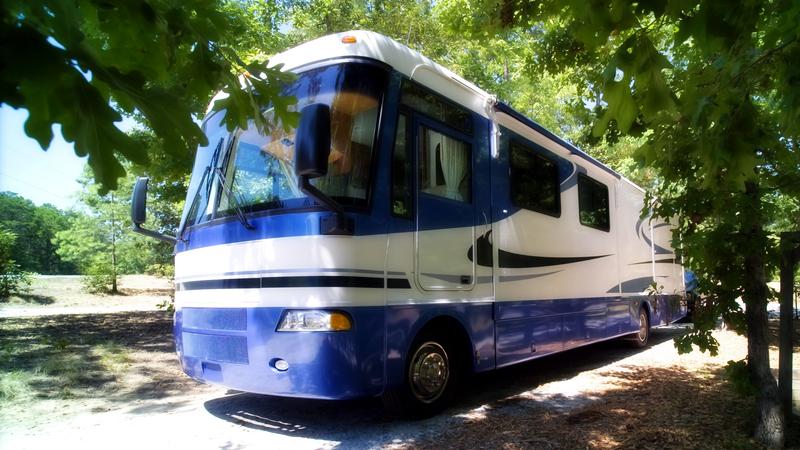
Stock photo (ID 6425578 © Barbcovington | Dreamstime.com)
Align with Provincial Regulations

RVs permitted as secondary dwellings on ALR land in Vernon

Nov 28, 2023 | 1:37 PM

The City of Vernon will be allowing recreational vehicles to be used as dwellings on agricultural land.

At the regular meeting Monday, Nov. 27, Vernon city council was presented with options from staff to either permit RVs as dwellings in the Agricultural Land Reserve (ALR), as per the provincial legislation through the Agricultural Land Commission (ALC); permit RVs with some added municipal restrictions and regulations; or not permit the use at all.

Councillor Brian Guy put forward a motion to go with the second option, but amend it to include health and safety regulations rather than aesthetic matters as a requirement, and align the regulations with the Okanagan Basin Water Board’s (OBWB) One Hectare rule, which does not allow the use of a septic tank on a property over one hectare in size.

Guy stated he understands Vernon is facing a “housing crunch” and that the recommendation was to go with option one and align the municipal bylaws with the ALC regulations, but he was still concerned about people on the lower end of the economic spectrum being “taken advantage of” in terms of health and safety from potentially negligent landlords.

“The Agricultural Land Commission does not address health and safety at all. They have no regulations, no bylaw officers for compliance and enforcement, just a bunch of policies but with no teeth,” Guy remarked.

“So I think when we make a decision on this, we’re going to face consequences. We’re going to be saying the city approves of anything anyone wants to do with an RV on ALR land, just basically closing our eyes and hoping for the best. There could be unsafe, ramshackled RVs out there and we would have no ability to govern them and make sure they’re safe.”

Guy pointed out the city already regulates health and safety measures in terms of electrical, fire safety and building codes on all other property types, including homes and carriage houses on ALR, and that RVs should be included in that municipal oversight.

He added the ALR properties housing RVs need to meet the OBWB’s requirements so the ability to access future sewer facility grants provided by the agency remains protected.

Mayor Victor Cumming agreed with Guy’s proposal, saying he also had concerns with waste water and septic tanks on ALR with RVs on site, as well as electrical and water hook-ups.

He also expressed concern with RVs being used as housing options on non-ALR properties in the future, and stated a system should be in place to ensure they are regulated should they be set up.

Councillor Teresa Durning also was in support of ensuring the RVs were held to a standard to ensure they provided safe and affordable housing options.

City staff noted septic is managed by Interior Health, water can be provided through a well if not through Greater Vernon Water, and electrical is not inspected by a builder or planner but by Technical Safety B.C.

Councillor Brian Quiring disagreed with regulating the RVs outside those set out by the ALC, stating it would be difficult to apply building code regulations to an RV.

Councillor Kari Gares said that health and safety is a concern, but stated that trying to go down that path would be “a regulatory nightmare” on both the initial and the follow up work in managing and regulating RVs as the city is facing staffing shortages. She also noted that modern RVs are suitable housing dwellings for nearly all weather conditions, and could act as an affordable option during this time when housing is expensive and there’s not much available.

Councillor Akbal Mund noted that the Official Community Plan could be amended, or bylaws could be written in the future to address the possibility of more RVs cropping up as housing units, but as of the time of the meeting, action needed to be taken that would benefit the community, with Mund saying aligning the city’s policies with the province’s would accomplish that goal.

City staff said an option to consider would be to have temporary-use permits issued to RVs on ALR to make sure they are managed and meet a criteria outlined by the municipality, though establishing that practice could take several months, and once in place, could take four to six weeks between applying for a permit and being granted one. It was also noted that those permits would not be able to be applied retroactively should the city wish to allow the immediate use of RVs on ALR.

Terry Barton, Director of Planning and Community Services, suggested that if council were to pursue a temporary-use permit that bylaw could be ordered not to pursue active enforcement until a time when the framework for that permit process has been put in place, which Durning and Guy both said were good alternatives.

Guy withdrew his original motion and issued a second one.

“That council makes no changes to our current policy with respect to land use on ALR land; and further, that council direct administration to not enforce any situations that are existing today or arise in the future where properties are out of compliance with our current policies, with respect to dwellings on ALR land; and further that council directs administration an approach, likely based on the TUP (temporary-use permit) process to add health and safety related regulations to accessory dwellings on ALR land,” Guy stated.

A friendly amendment was added by Durning to have staff report back with the costs associated with processing temporary-use permits.

However, his motion was defeated with a three-vote tie, with Guy, Cumming and Durning voting in favour, while Quiring, Gares and Mund voted in opposition. Councillor Kelly Fehr was not present at the meeting.

Quiring then issued a motion to go with the recommended option and approve the use of RVs on ALR as per the provincial legislation.

“THAT Council select Option 1 and direct administration to draft bylaw amendments allowing the ALR Use Regulations to govern all residential uses on ALR lands (including primary dwellings, secondary suites, accessory dwellings, and accessory buildings) as outlined in the report titled “Request For Direction: Recreational Vehicles (RVs) As Dwelling Units On Lands Within The Agricultural Land Reserve (ALR)”, dated November 15, 2023, and respectfully submitted by the planner,” the recommendation motion read.

“AND FURTHER, that Council direct administration to establish regulations to align the implementation of Accessory Dwelling Units with the Okanagan Basin Water Board’s 1.0 Hectare Policy.”

The motion passed with a vote of four to two, with Guy and Cumming in opposition.

Later in the meeting, Mund issued a notice of motion to task staff with investigating and retracting any fines issued to people living in RVs on ALR properties prior to the decision to align with the provincial regulations. That motion will be put forward at the next council meeting.

View Comments