Get the Top, Local stories delivered to your inbox! Click here to join the daily Vernon Matters newsletter.
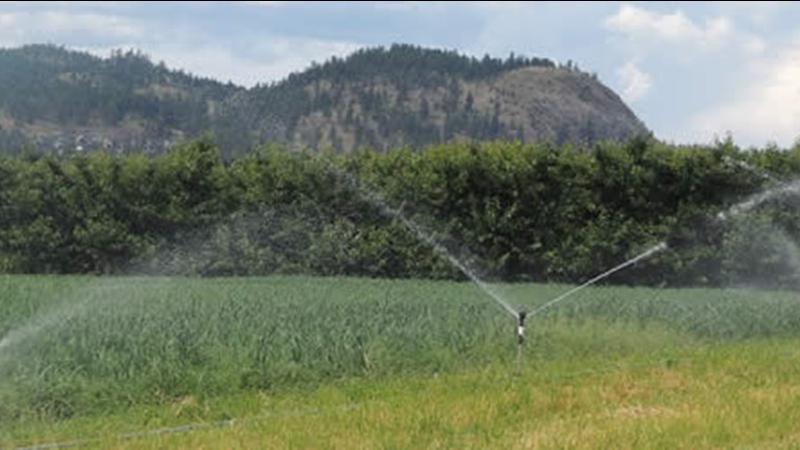
Cover irrigation (photo/OBWB)
Communicating for wiser water use

Pilot project to manage Okanagan agriculture irrigation

Mar 15, 2021 | 6:30 AM

Agriculture water users on the Greater Vernon Water system can now sign-up for alerts to help maximize efficiency and conserve water for the system.

It’s part of the Okanagan Agricultural Water Supply Status Communications Pilot Project.

The Regional District of the North Okanagan (RDNO) has partnered with the Okanagan Basin Water Board to provide email, phone, voicemail and or text messages on the following topics.

  • Early season updates on the snowpack and summer weather forecasts.
  • Water supply updates.
  • Changes in water restriction stages and responses.
  • Irrigation turn on/turn off dates.

Messages will be sent between mid-April and October and increase in frequency in case of drought. Greater Vernon Water may also choose to use the notification system for turn on/turn off notifications, water pressure notifications, general allocation information and be notified when their farm’s water meter readings are updated on AgConnect.

OBWB states the program will be good for farmers and the environment. For agriculture users, it will reduce unnecessary water use by knowing your crops irrigation requirements and save water to be used later in the irrigation season.

Other benefits from the notifications include reducing the leaching of nutrients so that they remain available for plants throughout the growing season, and farmers will be able to maximize crop yield and reduce the risk of disease and pests.

On the environmental side, it will save water for other needs such as fish, wildlife and domestic users, reduce surface water contamination through runoff as a result of over-irrigation, and reduce leaching of nutrients into groundwater.

Sign up for the alerts here.

The pilot is also being trialed in the Central and South Okanagan.

Funding for the project was provided in part by the Okanagan Basin Water Board and in part by the governments of Canada and British Columbia, and the Investment Agriculture Foundation of BC.

View Comments