Get the Top, Local stories delivered to your inbox! Click here to join the daily Vernon Matters newsletter.
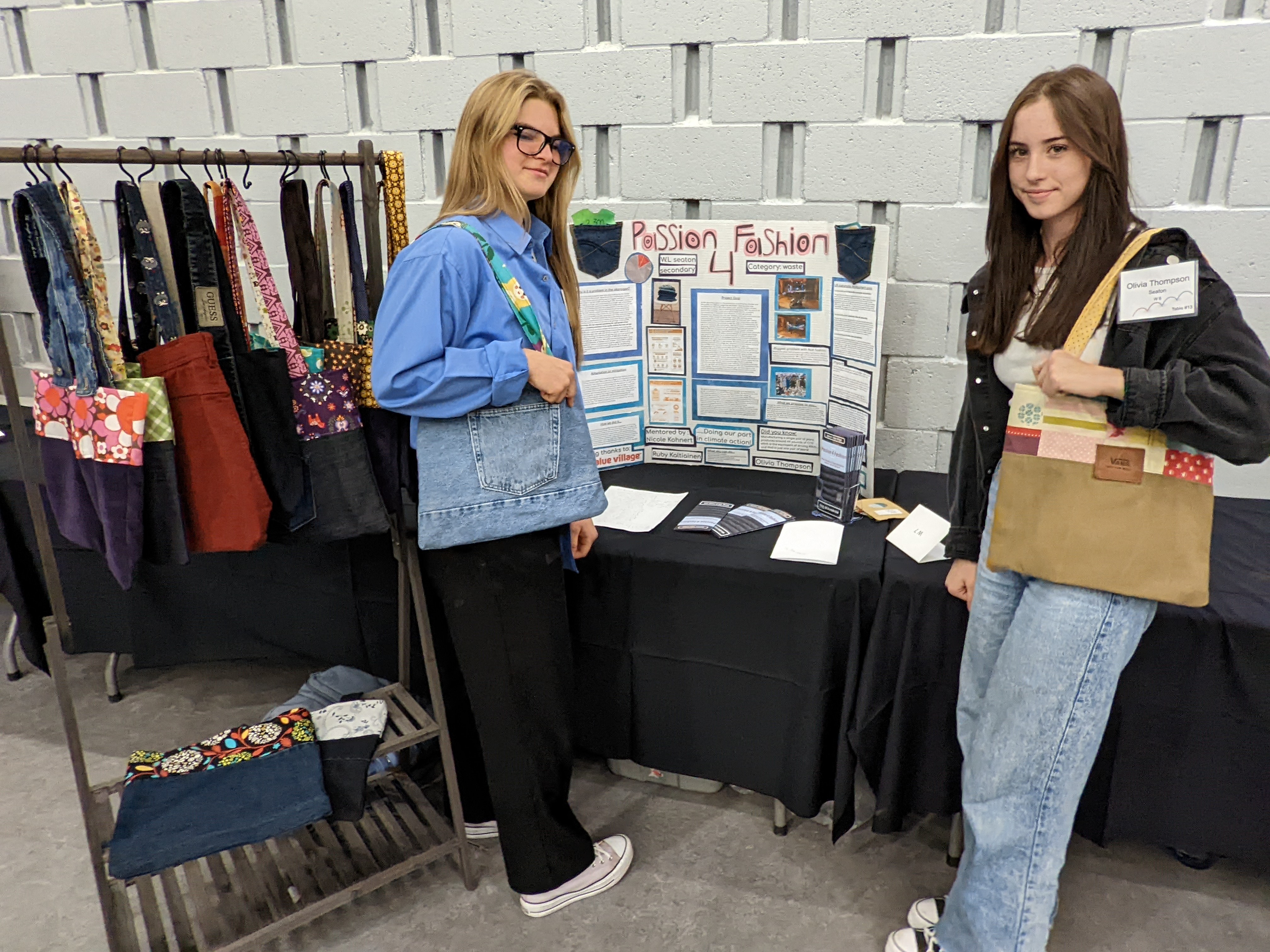
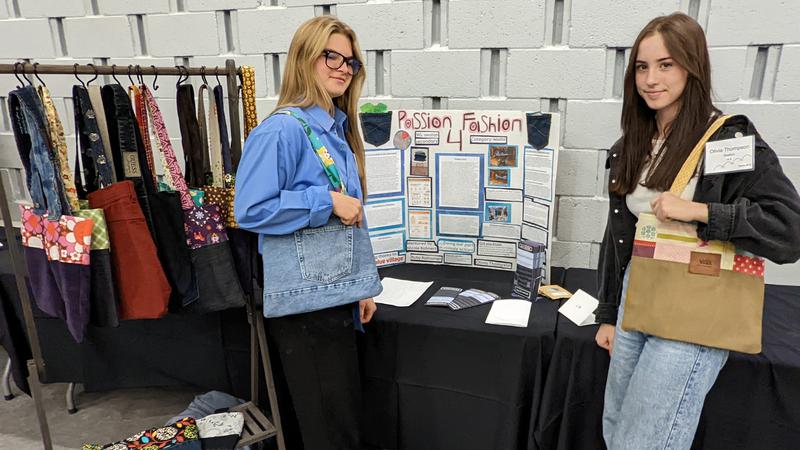
Ruby Kaltiainen (left) and Olivia Thompson (right) with the bags they made as part of their Passion 4 Fashion project (photo by Liam Verster / Vernon Matters)
42 Projects by Nearly 200 Students

Vernon students show off climate action projects at CARE Summit

Dec 1, 2022 | 4:00 PM

Hundreds of Vernon students came together to display their climate action projects at the CARE (Climate Action Ripple Effect) Summit.

Founder and CEO of the Fresh Outlet Foundation, as well as organizer of the CARE Summit, Jo de Vries, said the goal of the event held at the Vernon Recreation Centre Thursday, Dec. 1, was to get students involved in climate action.

“I believe students are where it’s at with regard to climate action,” said de Vries.

“If we can get them engaged and passionate and highly motivated at this point, then they are going to take that into not only their personal lives, but their work lives and they may even choose a career in climate action, which would be amazing.”

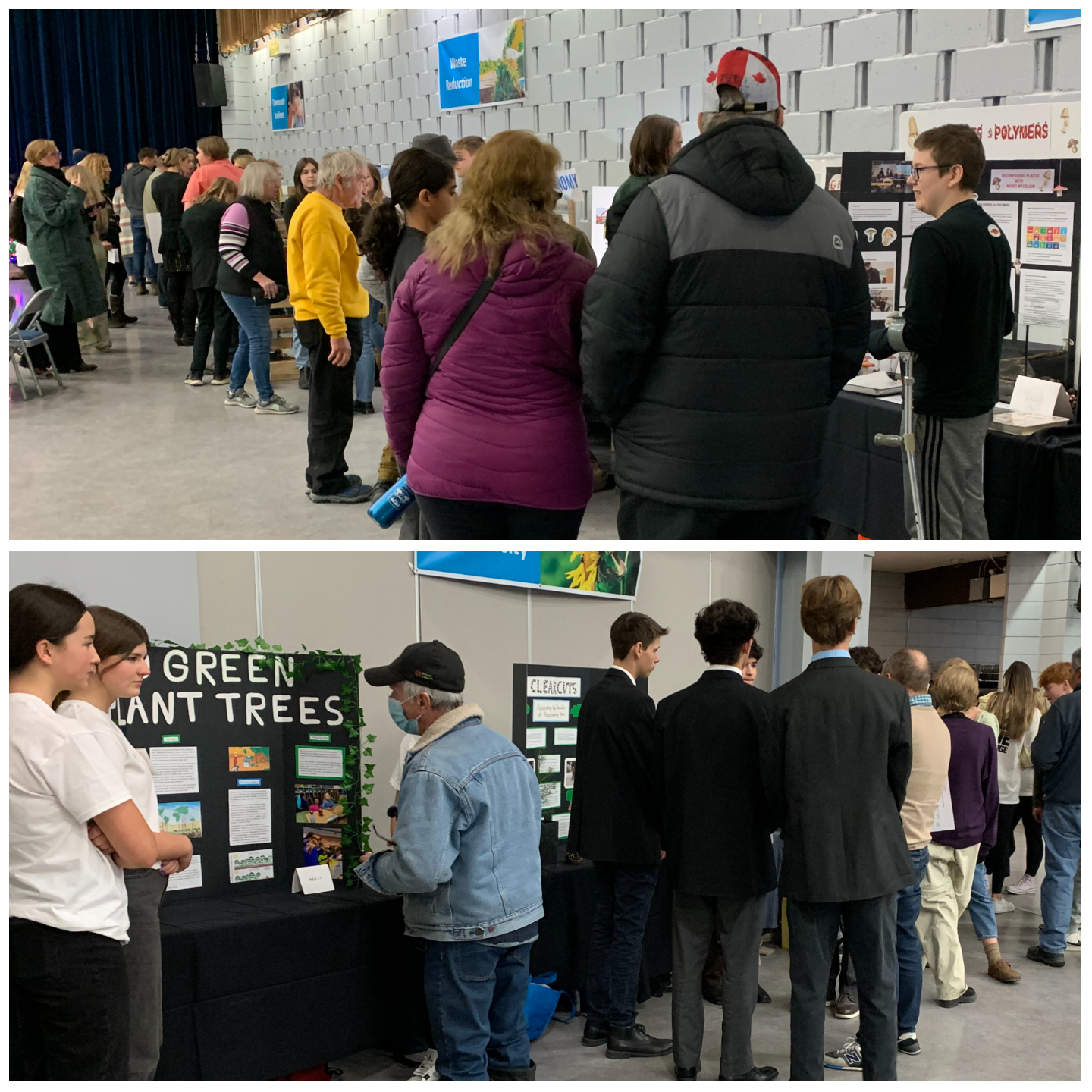
A total of 42 projects, created by almost 200 students from three area schools, in partnership with teachers and mentors, were on display at the summit.

“We have six categories: Nature and Biodiversity, Agriculture and Food, Energy and Buildings, Waste Reduction, Active Transportation, and Community Resilience,” de Vries explained.

“Within each of those categories students have created their own projects that will have, what they hope, is a positive impact on climate action.”

A small selection of the projects on display at the CARE Summit in Vernon on Dec. 1 (video by Liam Verster / Vernon Matters)

De Vries added the Ripple Effect part of the program is important and has two key pieces to focus on.

“One is how students become more confident doing these projects and then are willing to reach out and do more and reach out in their families, their peer groups and their community,” she said.

“And then also the ripple effect of how this will impact the City of Vernon and nearby areas going forward.”

Among the projects was one on using fungi to break down plastic waste, several on bees and pollinators, some focused on tree planting, some on biodiversity and native plants, some on retrofits and alternative energies, and some on waste reduction.

Students explaining their projects to people at the CARE Summit (photos by Liam Verster / Vernon Matters)

Three of the groups at the summit spoke with Vernon Matters about their projects.

A pair of Grade 11 students from Seaton Secondary, Olivia Thompson and Ruby Kaltiainen, re-purposed locally discarded clothes and made re-usable grocery bags.

“An RDCO (Regional District of Central Okanagan) study had shown us that 29 per cent of [waste in the landfill] was textiles that could have been re-used and recycled, when 95 per cent of all textile and material can be recycled,” said Kaltiainen.

The pair then contacted the Value Village in Vernon and was able to procure clothing that was not suitable for re-selling.

“We asked them to save all and any denim and graphic textiles that would have been just thrown out, AKA would have ended up in the landfill, and we asked them if they would be willing to collect it and keep it for us. And with that, we got to work on creating these, which are reusable grocery bags, because we wanted to keep them circling in Vernon instead of [people] buying 10 cent single use bag,” said Kaltiainen.

The pair also started selling the bags they made for $15 each, which in turn will support a local organization.

“All of the profits from this are going to the Fairy Grad-Mother’s Foundation, which is a foundation that helps underprivileged grads, or even just grads who want to dress more sustainably for this day, because it can get expensive buying graduation gowns and this organization takes donated dresses from previous graduates and gives them out to these people who wear them for the day, give them back so that it’s re-circled again,” said Thompson.

“So it’s like another form of recycling.”

The pair already have a pre-order list for over 30 bags, and plan to make more and sell them online through Facebook Marketplace and Etsy.

Ruby Kaltiainen (left) and Olivia Thompson with the bags they made as part of their Passion 4 Fashion project (photo by Liam Verster / Vernon Matters)

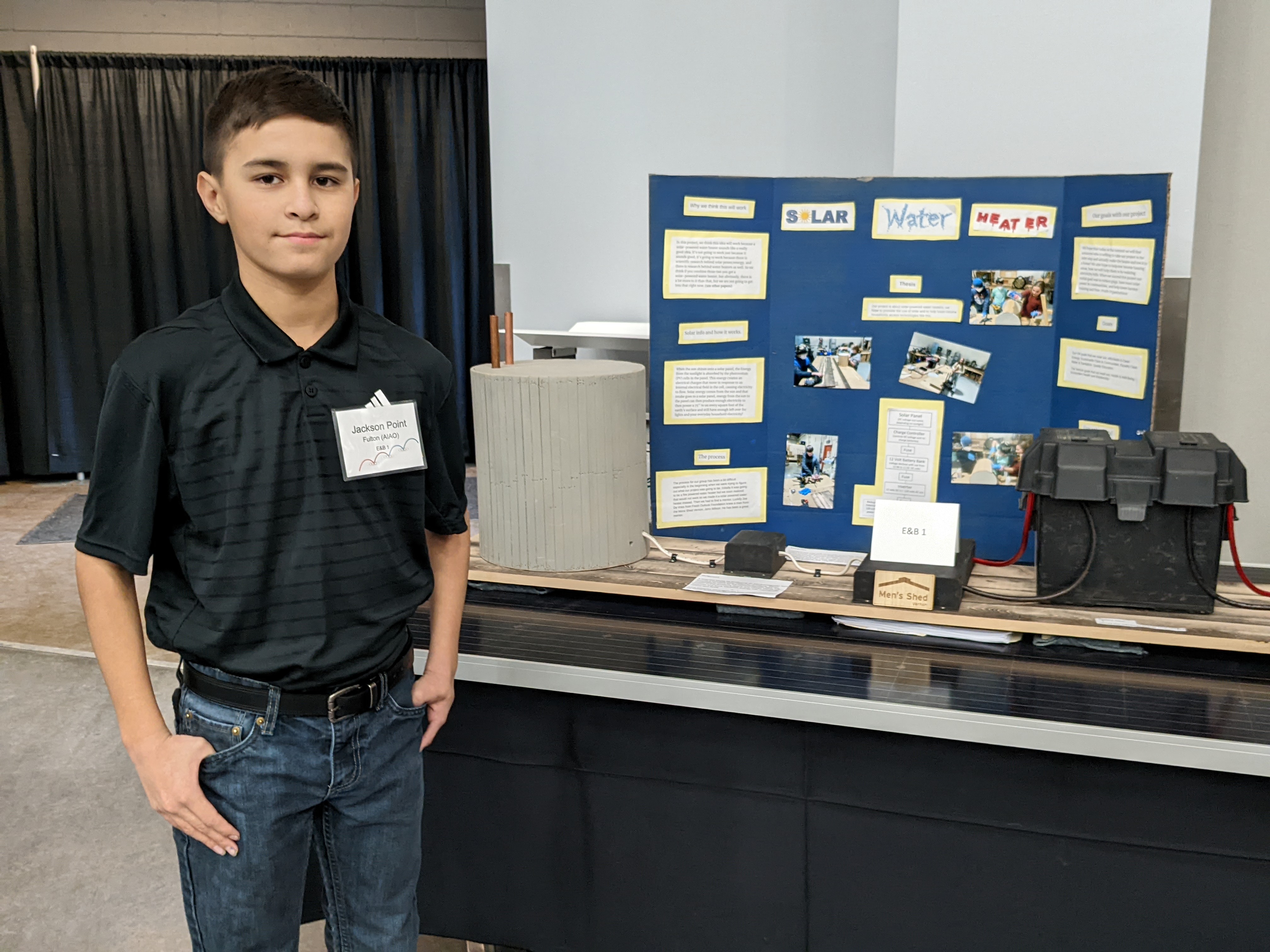
One group consisting of Jackson Point (Gr. 10 at Fulton / Adventure Inquiry and Adventure Okanagan (AIAO), Kody Dixon (Gr. 9 at Fulton / AIAO), and Sloan Halliwell (Gr. 7 at Fulton / AIAO), put together a project that saw how solar panels could be used to power water heaters, and had even built a prototype.

“The solar panel would be up on your roof and connected to a charge controller, so that would control the electricity and how much runs through and nothing gets destroyed with too much power running through the cable, and then it connects with the battery, which [can be used] if it’s a rainy day or it’s winter and there’s snow covering the solar panel,” Point explained to Vernon Matters.

“Then it connects to the inverter, which changes from AC to DC so then you can hook it up to your house and makes it possible to actually use. Then it connects to the solenoid, which is connected to a backup battery if the first battery was to fail or was to get destroyed for some reason – then it connects to the water tank.”

The group partnered with the Men’s Shed program to put together their project, and hope to see it applied in the real world to help people in need.

“Ideally in the lower income houses so then they can get hot water easier and faster,” added Point.

Jackson Point and the prototype of the solar powered water tank (not pictured Kody Dixon and Sloan Halliwell) (photo by Liam Verster / Vernon Matters)

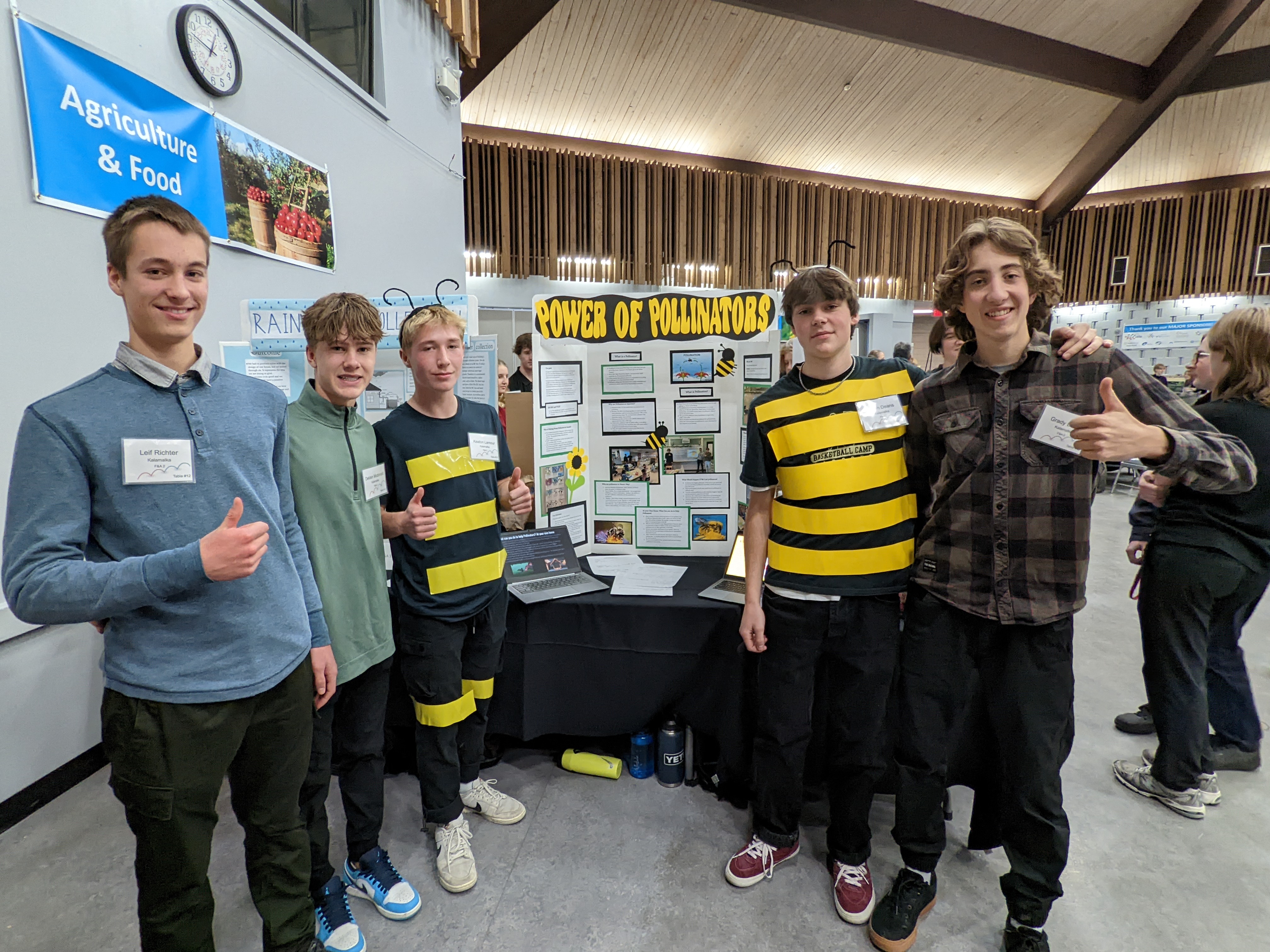
The project by Keaton Lamoureux, Leif Richter, Grady Barg, Jonah Deans and Deklen McDonald (all Grade 10 students at Kalamalka Secondary), saw the group educate themselves on the importance of bees as pollinators, then go to area schools and teach others.

“We really focused on how we need bees to survive, how the human race needs bees to survive. They’re responsible for one third of all food on the planet, so, really they’re priceless,” Lamoureux told Vernon Matters, adding this region specifically has a large need for bees to pollinate orchards, farms and vineyards.

The importance of protecting pollinators also has an effect on greenhouse gas reduction.

“You need plants to get rid of carbon dioxide in the atmosphere, so having healthier plants and more plants would support that too. [Bees] are affecting the world in many different ways,” said Lamoureux.

The group noted they are advocating people plant native plants with bright flowers to help keep area bees working, adding milkweed and sunflowers are especially beneficially to the insects in the North Okanagan.

They also ask people not to use pesticides on their plants.

Lamoureux added they really had the “ripple effect” in mind when creating their projects.

“The whole purpose is it grows exponentially. We taught 60 kids; lets say each one of those kids teaches another two people, we’re now growing so much. Say another half of those kids educate another two, it’s just growing more and more and getting better and better.”

(Left to right) Leif Richter, Deklen McDonald, Keaton Lamoureux, Jonah Deans, and Grady Barg with their Power of Pollinators project (photo by Liam Verster / Vernon Matters)

The summit also saw nine climate experts and advocates from various sectors judge the projects. They chose the top three projects from the summit as well as named winners for each category.

  • Overall 1st Place: Passion 4 Fashion
  • Overall 2nd Place Place: City Kids Guide to Nature
  • Overall 3rd Place: Understanding Eco Anxiety in Youth
  • Active Transportation category 1st place: Promoting Green Transportation in Elementary Schools: Off Roading
  • Nature & Biodiversity category 1st place: CARE Botanicals
  • Agriculture & Food category 1st place: Power of Pollinators
  • Energy and Buildings category 1st place: Low Cost Air Heater
  • Waste Reduction category 1st place: Polymers and Polypores
  • Community Resilience category 1st place: Understanding Eco Anxiety in Youth

The winning project, Passion 4 Fashion, was the one done by Thompson and Kaltiainen, and they said they were very excited with earning the award.

“We put so much work and effort into this and we’re also so passionate about this we’re going to continue it afterwards. We’re going to look into making more of these bags and maybe other [items] as well and kind of expanding it because it’s just something we like doing and have fun doing as well,” said Thompson.

Kaltiainen added that, with the fast fashion trends creating high turnover of clothing, they believe there is a need for re-purposing old clothing and diverting it from the landfill.

There was also a Students Choice Award, for which the CARE Botanicals project was selected.

The CARE Summit was also held in December of last year and this past spring, and de Vries said the event has grown since those first two events, adding “there’s growing interest all the time.”

She noted new this time was the inclusion of mentors in the projects, of which they had 35, and hopes to see that grow again in the future as well.

View Comments