
Get the Top, Local stories delivered to your inbox! Click here to join the daily Vernon Matters newsletter.
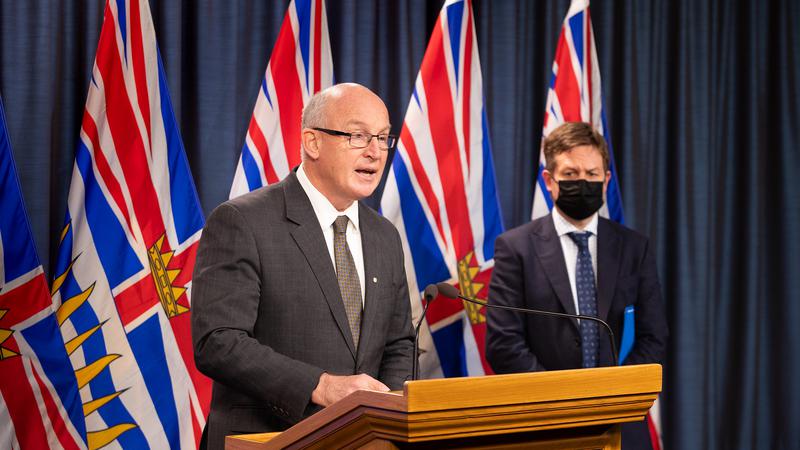
Photo courtesy of the Province of British Columbia (Flickr)
Emergency Orders

New orders prohibit non-essential travel on select highways and limit access to gas on the coast

Nov 19, 2021 | 4:38 PM

In response to the ongoing impacts of the severe weather and flooding in B.C., Minister of Public Safety and Solicitor General Mike Farnworth has issued two new orders under the State of Emergency.

One of them prohibits non-essential travel on select highways, and the other limits access to gasoline in B.C.’s coastal regions.

Effective immediately, the hardest hit sections of Highway 99, Highway 3, and Highway 7 are closed for non essential travellers. Those transporting commercial goods; essential supplies like food, water, fuel and medical supplies; and livestock and agricultural supplies will still be able to use the roadways.

“As roads are repaired and the backlog of essential traffic is cleared, the restrictions on essential travel can and will be eased,” said Farnworth, adding that enforcement details will be released at a later time.

“My hope is that everyone understands the needs for these restrictions and fully cooperates. In other words, if you don’t need to be travelling right now, don’t.”

Transportation Minister Rob Fleming said Friday that Highway 99 was able to open a single lane Thursday, and it’s expected that a second lane will be able to open sometime over the weekend.

He added that Highway 3 from Hope to Princeton has reopened and vehicles travelling on an essential basis are able to use the route.

“This will re-establish a vital link allowing the movement of essential goods and services to and from the Lower Mainland, and I cannot overstate how appreciative I am of everyone who is involved in this incredible effort,” said Fleming, adding that crews have been working around the clock to clear and repair the road.

Both Highway 3 and Highway 7 from Hope to Agassiz are restricted to the terms in the travel order, and will only be open for the transport of essential products or to those delivering vital services. People who have been cut off from their primary addresses can also use the routes to travel home.

“But let me be clear who this is not open to,” said Fleming. “It is not open to recreational and non-essential travel at this time.”

It was also noted that people using the highways to get home are advised to go slow and drive to conditions, and are warned that there may be backlogs as the roads will primarily be filled with trucks and larger vehicles.

Along with the travel order, Farnworth has issued an order limiting access to gasoline in southwest B.C., Vancouver Island, and the Sunshine Coast

Gasoline will be made available for emergency and essential vehicles, while residents will be limited to a maximum of 30 litres per visit to a gas station.

This order was issued as the mudslides have impacted the Trans Mountain Pipeline’s ability to bring gas into the province. Farnworth says there is still a slow but steady stream coming through the pipeline, and gas is being shipped in from alternative routes including from Alberta and the U.S., but supply is expected to be stretched thin in those three regions in the coming days.

The gas order is expected to last for 10 or 11 days, and gas stations in the impacted regions are ordered to ensure their supplies can last until December 1.

Farnworth asks that people be kind at the pumps, to not fill up if not necessary, and to use alternative modes of transportation like public transit, walking or carpooling if possible.

View Comments